
Tips for Picky Eaters

Picky eating is common, especially when children are still learning new flavors, textures, and routines at the table. The good news is that healthy eating habits can grow over time with patience, repeated exposure, and less pressure.
If you are working with a picky eater, these tips can help make mealtimes easier. You may also find it helpful to explore our Healthy Snacks for Kids, Healthy Portion Sizes, Hidden Vegetable Recipes, Healthy Dessert Ideas, and free nutrition lesson for more support.
Kids Cooking Activities Teaching Materials
Teaching kids to cook? Save time with ready-made lesson plans used by parents and teachers. Browse teaching materials →


This page may contain affiliate links. We may earn a small commission at no extra cost to you. Learn more.
On This Page
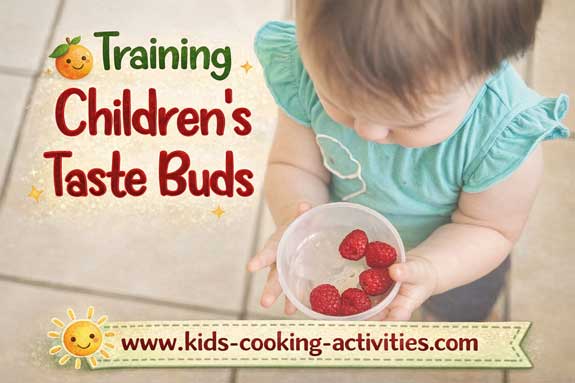
Training Children’s Taste Buds
Helping kids eat healthier involves more than serving only the foods they already like. It means gently introducing new foods again and again while still including familiar favorites.
If children mainly eat sugary or highly processed foods, those are the flavors they will expect and crave. Repeated exposure to healthier foods helps shift those preferences over time.
Why Repeated Exposure Works
Taste preferences are learned. The more often children see and experience new foods, the more familiar and acceptable those foods become.
Even seeing a food on the plate without pressure to eat it helps build comfort over time. This connects well with portion sizes for kids and healthy snack habits.
Simple Ways to Introduce New Foods
- Offer one new food each week
- Pair new foods with familiar favorites
- Use a fun rating system
- Serve foods in different forms
You can also use Hidden Vegetable Recipes and Healthy Meal Ideas to help bridge the gap.
Getting kids involved in cooking also helps. Try simple tasks like washing vegetables or assembling meals, or explore Kids Cooking Lessons and this free nutrition lesson.
Help for Your Picky Eater
These picky eater tips are for parents, homeschoolers, and teachers helping children who prefer the same foods over and over or avoid trying anything new. While many children go through a picky stage, long-term picky eating can make it harder to get enough variety and balanced nutrition.
That does not mean every meal has to be stressful. Your role is to keep offering balanced food choices and create opportunities for children to slowly build confidence with new foods.
This works best when meals, snacks, and portions all support the same goal. Pair this page with Healthy Snacks for Kids and Healthy Portion Sizes for Kids to give children smaller, more manageable ways to practice balanced eating.
You can also build balanced meals using healthy meal ideas that include both familiar and new foods. For children who prefer sweeter foods, try starting with healthy dessert ideas made with fruit.
Teach Healthy Eating Through Small Steps
Picky eating often improves when children are given repeated, low-pressure chances to interact with food. Instead of expecting instant change, think in terms of small steps that build food confidence over time.
Small steps can include seeing a food on the table, helping wash it, stirring it into a recipe, tasting one bite, or simply serving it next to a familiar favorite. These little experiences teach children that trying new foods is normal and safe.
This teaching approach works especially well when you combine meal practice, snack practice, cooking together, and short nutrition activities.
Healthy Eating Resources for Kids
Looking for extra support? Use practical meal ideas, simple nutrition activities, and printable resources to help kids build healthier habits step by step.
8 Tips for Picky Eaters
These simple ideas can help picky eaters feel less pressured and more willing to try healthy foods over time.
1. Keep Portions Small
Serve small portions from each food group instead of large portions of only a favorite food. This helps children build a more balanced plate without feeling overwhelmed.
2. Be the Example
Model healthy eating habits yourself. Children notice how adults talk about food and what they choose to eat.
3. Try Different Forms
Offer foods in different forms. A child who rejects vegetables on the side may accept them in soups, sauces, muffins, or casseroles. This is where Hidden Vegetable Recipes can help.
4. Let Kids Help Cook
Children are often more willing to try foods they helped prepare. Even simple choices like assembling their own pizzas or topping bowls can help. Try build it yourself meals.
5. Try One New Food
Choose one new food to try each week. Let your child help pick it at the grocery store, produce stand, or farmers market. Take it a step further and learn the food facts on the fruit and vegetables they choose.
6. Offer Healthy Choices
Offer a choice between healthy foods, not between healthy food and junk food. Children do better when they feel some control within healthy boundaries.
7. Cut Back on Empty Calories
Cut back on empty-calorie foods that fill kids up before meals. That includes chips, soda, fast food, and too much juice.
8. Plan Meals Together
Involve kids in menu planning. If they ask for the same foods often, use that as a starting point and build in small changes or healthy sides over time.
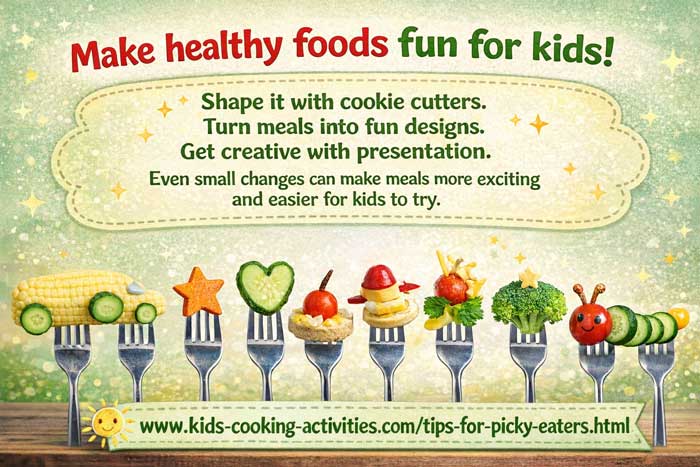
Try not to add too much pressure. If your child is getting enough calories and some nutritious foods, even with limited variety, keep offering better choices and stay patient. Consistency matters more than forcing clean plates.
This is also a good place to use portion size tips and healthy snack ideas so your child practices healthy eating in smaller, easier steps throughout the day.
Ways to Help Kids Try New Foods
Taste and Rate Foods
Offer one new fruit or vegetable and let kids rate it with thumbs up, thumbs sideways, or thumbs down. This keeps the experience light and less stressful.
Help Cook One Part of the Meal
Children are often more open to foods they helped wash, stir, peel, or assemble. Even one small job in the kitchen can make a difference.
Try One New Food Each Week
Choose one new item at the grocery store, produce stand, or farmers market. Slow, repeated exposure works better than trying to change everything at once.
Pair One Favorite with One New Food
Serving a familiar favorite next to a new food makes the plate feel less overwhelming and gives kids a better chance of trying something different.
Start with small wins using healthy snacks, smaller portions, and hidden vegetable recipes.
Using Snacks to Help Picky Eaters
Snacks are a great way to introduce new foods without the pressure of a full meal. Offer fruits, vegetables, and simple combinations like yogurt with fruit or cheese with crackers.
Print off a list of Healthy Snacks for Kids.
5 Tips for Picky Eaters Video
Watch this short video for a quick overview of helpful strategies for picky eaters.
More Healthy Meal Support
Build better food habits with recipes and fun cooking activities designed to help kids become more confident eaters.
Good for Home or Class
This page can help parents, homeschoolers, cooking teachers, and life-skills instructors who want to guide children toward healthier eating without creating food battles.
Use it as a conversation starter, a parent handout, a support page for nutrition lessons, or a practical resource alongside cooking activities and meal planning practice.
Picky Eater FAQ
From Picky Eating to Food Confidence
Keep building confidence with food using these related healthy eating pages.
Healthy Meal Ideas
Build balanced meals that mix familiar foods with new ones.
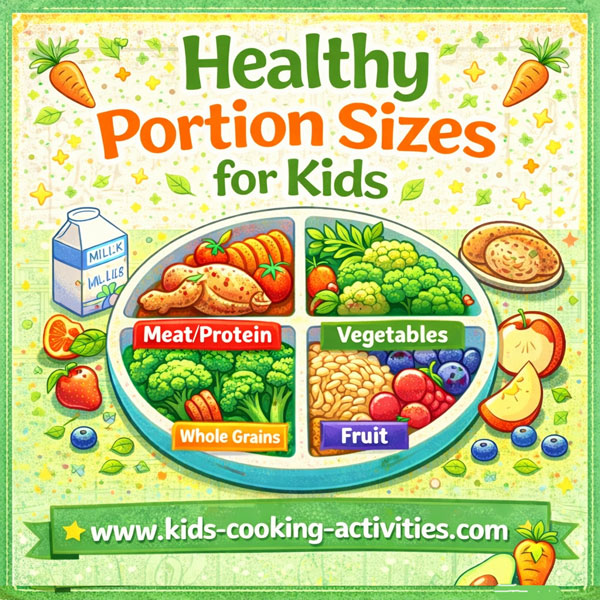
Healthy Portion Sizes
Keep servings manageable so plates feel less overwhelming.
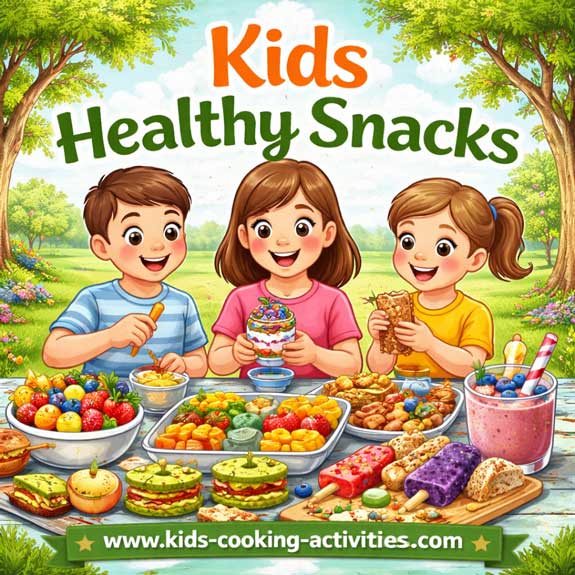
Healthy Snacks
Use small snack moments to practice trying healthy foods.
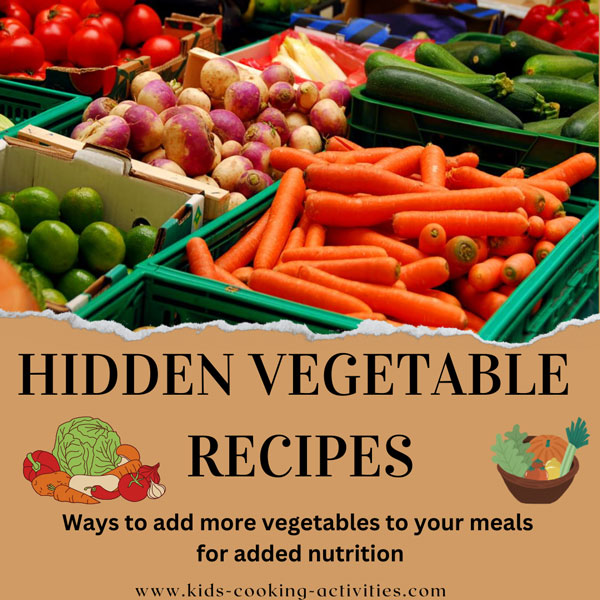
Hidden Vegetable Recipes
Boost nutrition while kids are still learning to like vegetables in visible form.

Healthy Dessert Ideas
Fun fruit-based desserts and lighter sweet treats kids will love.
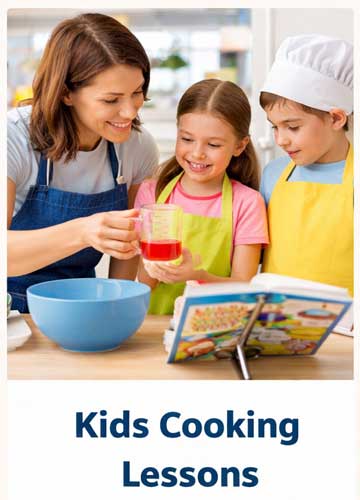
Kids Cooking Lessons
Teach cooking skills step by step with lessons organized by age and readiness.
Do You Have Meal Ideas or Tips for Picky Eaters to Share?
Share your Ideas
Do you have a great homemade idea? Is it edible or food related. Go ahead and share it!
Start Here → Balanced Family Meals → Healthy Portion Sizes → Healthy Snacks → Healthy Desserts → Picky Eater Tips → Hidden Vegetable Recipes → Vegetarian Meal Ideas → Meatless Recipes → Gluten-Free Eating → Free Nutrition Lesson
Back to Home Page
Get Free Kids Recipe Cards + Cooking Printables
Join Kids Cooking Activities for fun recipes, cooking ideas, and printable resources for kids, families, and classrooms.
Follow Kids Cooking Activities too:





© Debbie Madson, Madson Web Publishing, LLC — All rights reserved.
The material on this site is for educational purposes only.