Healthy Eating for Kids: Nutrition Tips, Meal Ideas & Teaching Kids to Eat Healthy
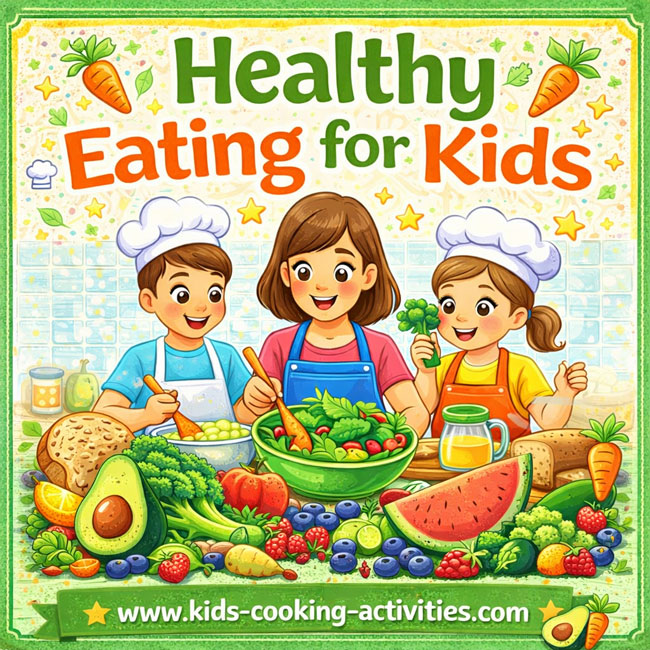
Teaching kids healthy eating is not about forcing vegetables or making food stressful. It is about building habits, offering balanced choices, and helping children become more confident with food. One of the best ways to do that is by getting kids involved in the kitchen.
This healthy eating guide is designed for parents, teachers, and homeschoolers who want to teach nutrition in practical ways. Use this page to learn how to build balanced meals, encourage healthy habits, introduce new foods, and connect cooking with nutrition learning.
Explore Healthy Eating Topics
Use these healthy eating resources to help kids learn about balanced meals, snacks, desserts, picky eating, special diets, and hands-on nutrition lessons.

Kids Cooking Activities Teaching Materials
Teaching kids to cook? Save time with ready-made lesson plans used by parents and teachers. Browse teaching materials →


This page may contain affiliate links. We may earn a small commission at no extra cost to you. Learn more.
On This Page
- Explore Healthy Eating Topics
- What Healthy Eating for Kids Really Means
- How to Teach Kids Nutrition
- Nutrition Learning Resources
- Easy Ways to Add More Nutrition
- How to Build Balanced Meals for Kids
- Healthy Meal Collections for Families
- Healthy Eating Habits That Work
- Add More Fruits and Vegetables Every Day
- Eat the Rainbow
- Foods to Limit and Better Swaps
- Smart Grocery Shopping for Healthy Families
- Why Cooking Helps Kids Eat Better
- Start Small and Build New Habits
- Healthy Eating by Age
- Build Healthy Eating Habits Step-by-Step
- Special Dietary Needs and Meal Planning
- Healthy Cooking Video
- Healthy Eating FAQ
What Healthy Eating for Kids Really Means
Healthy eating for kids is about balance, variety, and consistency over time. It does not mean every meal has to be perfect. Instead, it means helping children eat from a variety of food groups, offering fruits and vegetables often, and building meals that include protein, grains, and nourishing ingredients.
Children do best when healthy eating feels normal and positive. When kids regularly see healthy foods served at meals and snacks, they are more likely to try them and eventually enjoy them. Small changes repeated over time make the biggest difference.
How to Teach Kids Nutrition
Kids learn about food from what they hear, what they see, and what they do. That is why nutrition lessons work best when they are simple, positive, and hands-on.
Children notice how adults talk about food. If they hear that vegetables are awful or that healthy food is a punishment, they often repeat those attitudes. But when children see adults enjoying a variety of foods and offering choices in a calm way, they learn that healthy eating is just part of everyday life.
Model Healthy Choices
Let kids see you enjoy fruits, vegetables, whole grains, and balanced meals regularly.
Use Positive Food Language
Talk about foods in terms of energy, growth, strength, and learning instead of pressure or guilt.
Offer Simple Choices
Let kids choose between two healthy options like apples or oranges, carrots or cucumbers.
Teach Through Cooking
Kids learn more when they can wash, mix, measure, and taste ingredients themselves.
Use Everyday Examples
Point out food groups and ingredients during shopping trips, snack time, and family meals.
Nutrition Learning Resources
Healthy eating is easier for kids to understand when nutrition is taught through real foods, pictures, cooking lessons, and everyday activities. Use these resources to connect healthy eating with hands-on learning.

Learn about fruits, vegetables, grains, dairy foods, herbs, spices, and other ingredients kids use in the kitchen.

Easy Ways to Add More Nutrition
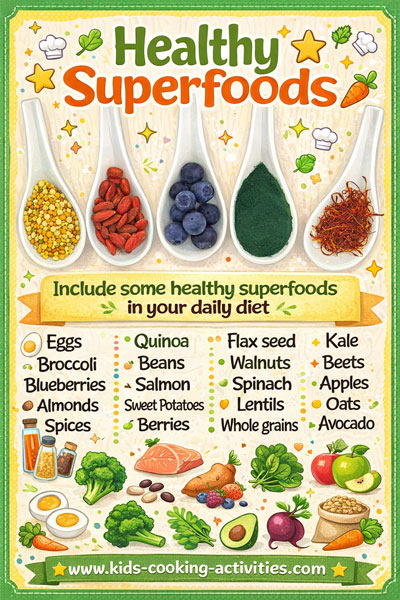
Healthy eating often works best when you make small, practical upgrades to foods your family already enjoys. You do not have to overhaul everything at once.
Add Nutrition Easily
- Add shredded zucchini or carrots to muffins, quick breads, pasta sauce, eggs, and soups.
- Use some whole wheat flour in baking instead of only white flour.
- Stir wheat germ or flax into granola, yogurt, or baked goods.
- Try more whole foods and fewer highly processed packaged foods.
Make Snacks Count
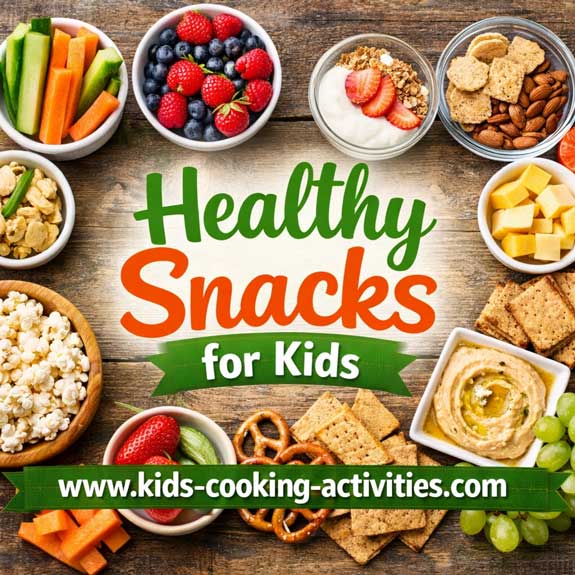
- Keep fruit slices, cheese, yogurt, vegetables, and nuts ready for quick snacks.
- Offer snacks children can see and reach easily in the refrigerator.
- Use your healthy snack list for easy ideas.
- Serve fruits or vegetables before dinner when kids are most hungry.
Make Healthy Food More Fun
- Serve colorful meals and snacks with a variety of textures.
- Offer vegetables raw, cooked, roasted, chopped, or blended to find what kids prefer.
- Try fun food presentations from your Fun With Food section.
- Visit a garden, orchard, farm stand, or farmer's market to build interest in produce.
- Learn different ways to cook vegetables.
How to Build Balanced Meals for Kids
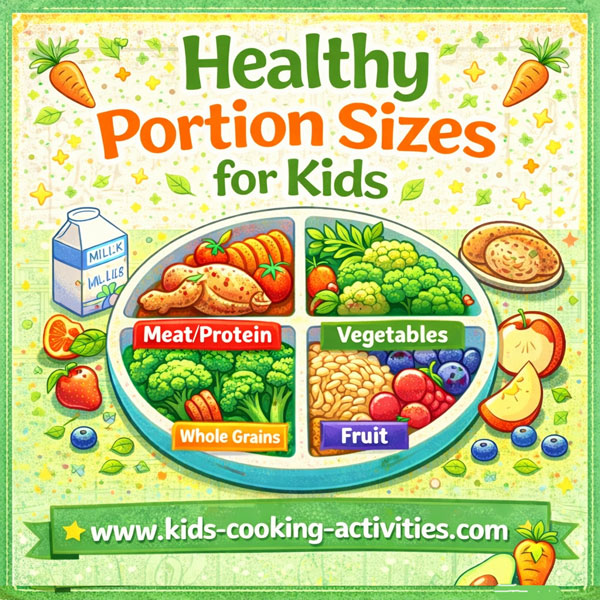
Balanced meals do not have to be complicated. A simple meal can include a protein food, a grain or starch, fruits or vegetables, and sometimes a healthy fat. Building meals this way helps children get a wider variety of nutrients throughout the day.
Try Including
- Protein: eggs, beans, chicken, turkey, yogurt, cheese, nut butters
- Grains or starches: rice, potatoes, pasta, bread, tortillas, oats
- Fruits and vegetables: fresh, frozen, dried, canned, raw, or cooked
- Healthy fats: avocado, nuts, seeds, nut butters, olive oil
Simple Balanced Meal Ideas
- Scrambled eggs, whole grain toast, and fruit
- Turkey sandwich, sliced cucumbers, and berries
- Rice bowl with chicken and vegetables
- Pasta with meat sauce, salad, and fruit
- Quesadilla with beans, salsa, and orange slices
Portion sizes can vary depending on age, appetite, and activity level. For more help, see our page on healthy portion sizes for kids. That page pairs well with this nutrition guide because it helps families think about balance without turning meals into a struggle. For younger children, these toddler meal ideas focus on small portions, simple foods, and easy healthy choices.
Teaching kids how to build balanced meals is a practical life skill. It helps them understand nutrition in real situations, whether they are packing a snack, helping with dinner, or learning to make simple meals on their own.
Healthy Eating Resources for Families
Once kids understand the basics of healthy eating, the next step is putting those ideas into practice. Explore these collections of kid-friendly meals, lunches, snacks, desserts, and healthy eating resources to make nutritious choices easier every day.
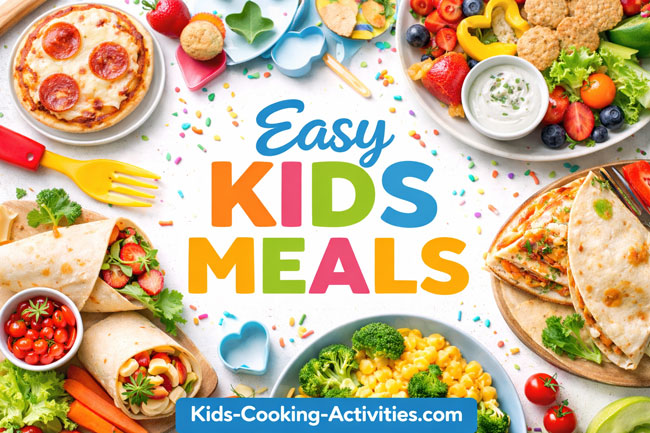
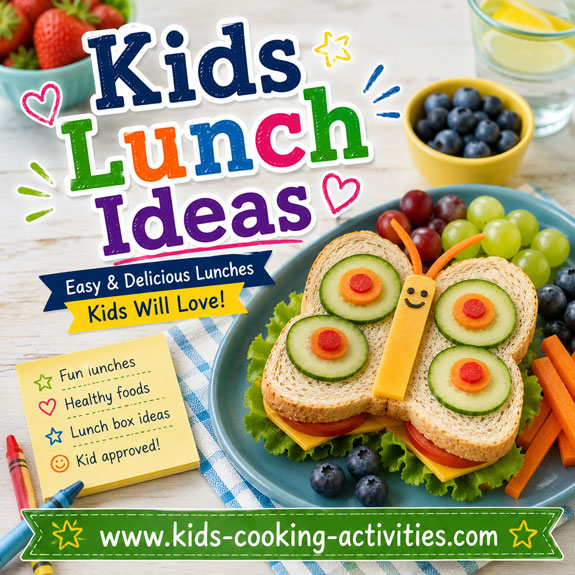


Kids Healthy Meals: Ideas and Tips for Raising Healthy Kids
Want extra help teaching nutrition at home or in the classroom? This printable resource gives you more healthy meal ideas, tips, and support for building better eating habits with kids.
Healthy Eating Habits That Work
Habits matter more than one perfect meal. When you build routines around meals, snacks, family eating, and food choices, kids learn what healthy eating looks like over time.
Healthy Habits at Home
- Cook with your child whenever possible.
- Serve a little from different food groups.
- Keep desserts occasional instead of expected daily.
- Keep healthy foods washed, cut, and ready to grab.
- Post healthy snack ideas where kids can see them.
Healthy Habits That Build Confidence
- Offer repeated exposure to new foods.
- Eat together when possible as a family.
- Lead by example with your own food choices.
- Limit sugary drinks and soda.
- Try fun meal themes like color night or build-your-own meals.
Serve one familiar food alongside one new food. This lowers resistance and builds confidence over time. See more tips for picky eaters.
Add More Fruits and Vegetables Every Day
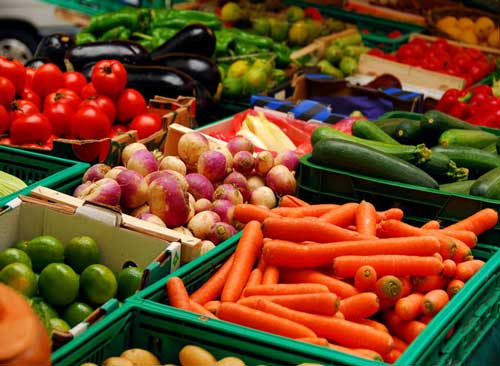
One simple goal is to include more fruits and vegetables in everyday meals and snacks. Use many different colors and types throughout the week.
Simple Ways to Add More
- Serve fruit with breakfast.
- Add vegetables to eggs, pasta, casseroles, soups, and rice dishes.
- Keep cut vegetables and dip ready for snacks.
Easy Daily Ideas
- Offer fruit with yogurt for a snack.
- Serve a side salad or extra vegetable with dinner.
- Use many different colors throughout the week.
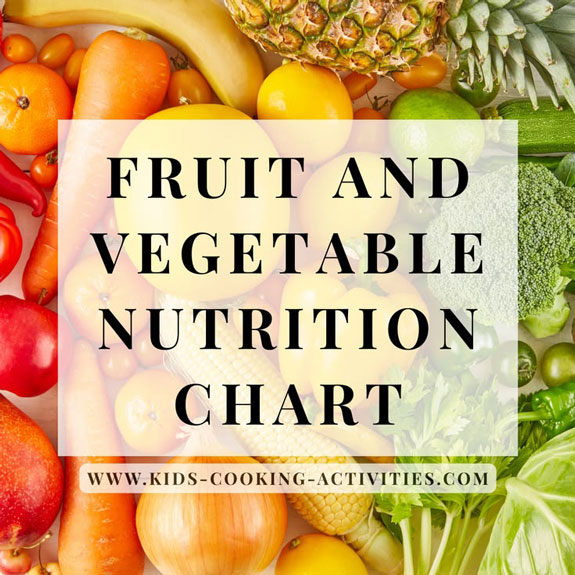
See our fruit and vegetable color nutrition chart for another fun way to teach kids about colorful healthy foods.
Eat the Rainbow
One fun way to teach nutrition is to help kids “eat the rainbow.” Different colored fruits and vegetables offer different nutrients, and colorful foods make meals more interesting for children.
Red Foods
Try strawberries, tomatoes, red peppers, watermelon, raspberries, cherries, or red apples.
Orange and Yellow Foods
Try carrots, oranges, sweet potatoes, pumpkin, corn, peaches, mango, squash, or yellow peppers.
Green Foods
Try broccoli, spinach, cucumbers, peas, green beans, lettuce, kiwi, avocado, or green grapes.
Blue and Purple Foods
Try blueberries, blackberries, purple grapes, plums, eggplant, purple cabbage, or purple potatoes.
Use our fruit and vegetable color nutrition chart to teach kids how colorful foods support healthy eating. You can also connect this idea with hidden vegetable recipes, healthy snacks, Food Facts for Kids, and fruit-based desserts.
Foods to Limit and Better Swaps
You do not need to label foods as good or bad, but it can help to notice which foods offer more nutrition and which ones are best saved for less often. Start with simple swaps.
- Instead of: processed fruit snacks try: real dried fruit or fresh fruit
- Instead of: chips and dip try: baked chips with salsa or vegetables with dip
- Instead of: sugary cereals try: whole grain cereal, oatmeal, or a mix of the two
- Instead of: candy bars and cookies every day try: fruit with yogurt or a healthier homemade snack
- Instead of: sugary desserts after every meal try: fruit-based desserts more often
- Instead of: white flour only try: adding whole wheat flour or other whole grains
- Instead of: milkshakes and sugary drinks try: smoothies made with real fruit
You can also find more better-for-you treat ideas on your healthy dessert ideas page.
Smart Grocery Shopping for Healthy Families
Healthy eating often starts at the grocery store. When nutritious foods are easy to find, wash, and serve, families are much more likely to use them.
Before You Shop
- Make a simple plan for meals and snacks.
- Choose produce your family will actually eat.
- Think about easy breakfast, lunch, and snack options too.
After You Shop
- Wash and prep produce early.
- Store healthy foods where they are easy to see and reach.
- Keep simple ingredients ready for quick meals and snacks.
For more help with budget-friendly planning, label reading, and smarter food choices, visit our grocery shopping tips lesson.
Why Cooking Helps Kids Eat Better
Cooking is one of the best ways to teach nutrition because it turns abstract ideas into real-life practice. Kids can see ingredients, compare foods, measure portions, and help build complete meals.
When children help cook, they often become more interested in tasting what they made. Cooking also helps them learn about food groups, kitchen skills, planning meals, and making healthier choices for themselves.
Kids are more likely to try foods they helped prepare. Cooking makes nutrition hands-on, teaches independence, and helps children move from learning about food to actually making better food choices.
Start Small and Build New Habits
Families do not need to change everything at once. Start with one or two simple steps such as serving fruit with breakfast, replacing one packaged snack with a healthier option, or letting kids help make one healthy recipe each week.
Over time, these small steps can lead to stronger habits, more food confidence, and better nutrition choices at home and away from home.
Healthy Eating by Age
Healthy eating looks different at each age and stage. Younger children may need small portions and simple choices, while older kids and teens can begin learning how to plan snacks, lunches, and balanced meals more independently.
Toddlers
Focus on small portions, familiar foods, and simple fruits, vegetables, proteins, and grains. Keep meals calm and offer choices without pressure.
Preschoolers
Preschoolers enjoy hands-on food activities. Let them wash produce, stir ingredients, build snacks, and explore colorful foods.
School-Age Kids
School-age children can help pack lunches, make simple snacks, compare food groups, and learn how balanced meals are built.
Tweens and Teens
Older kids can begin planning simple meals, reading recipes, shopping with a list, and preparing healthy foods with more independence.
Build Healthy Eating Habits Step-by-Step
Follow this simple path to help kids build healthy eating habits one step at a time. Start with balanced meals and portion sizes, then expand into healthy snacks, picky eater strategies, nutrition lessons, and healthier dessert choices.
If you are working on getting more vegetables into familiar foods, see these hidden vegetable recipe ideas. For more ingredient swaps, visit your baking substitutions page.
Special Dietary Needs and Meal Planning
Some families follow special meal plans because of allergies, health needs, dietary preferences, or advice from a healthcare provider. These pages are best used as additional meal planning resources rather than the main starting point for kids' healthy eating.
Kids Cooking Video: How to Cook Healthy Food
Healthy Eating FAQ
Kids Cooking Lesson Plans
Want a done-for-you plan?
Get your kids cooking and nutrition lessons in one complete, ready-to-use system. These structured lesson plans and teaching materials help you save time and confidently teach cooking step by step.
Start Here → Balanced Family Meals → Healthy Portion Sizes → Healthy Snacks → Healthy Desserts → Picky Eater Tips → Hidden Vegetable Recipes → Vegetarian Meal Ideas → Meatless Recipes → Gluten-Free Eating → Free Nutrition Lesson
Share your Ideas
Do you have a great homemade idea? Is it edible or food related. Go ahead and share it!
Get Free Kids Recipe Cards + Cooking Printables
Join Kids Cooking Activities for fun recipes, cooking ideas, and printable resources for kids, families, and classrooms.
Follow Kids Cooking Activities too:





© Debbie Madson, Madson Web Publishing, LLC — All rights reserved.
The material on this site is for educational purposes only.