
Healthy Meal Ideas for Balanced Family Meals

Balanced meals with protein, fiber, whole grains, vegetables, healthy snacks, and lower added sugar can help families build healthy eating habits while keeping meals satisfying and kid-friendly.

Healthy meals do not need to feel restrictive or complicated. Many simple family meals naturally support balanced blood sugar by combining protein, fiber-rich foods, healthy fats, fruits, vegetables, and whole grains. Small changes like adding vegetables, choosing whole grains, balancing portions, and reducing added sugars can make meals more filling and nutritious for both kids and adults.

Healthy balanced meals for families
Important: Families with diabetes or medical nutrition concerns should always follow guidance from their doctor or dietitian for individual meal planning needs.

Kids Cooking Activities Teaching Materials

Teaching kids to cook? Save time with ready-made lesson plans used by parents and teachers. Browse teaching materials →

This post may contain affiliate links. We may earn a small commission at no extra cost to you. Learn more.


Balanced Family Meals at a Glance

Protein + Fiber

Meals with protein and fiber often help children feel full longer and support balanced energy levels.

Whole Foods

Fruits, vegetables, beans, whole grains, eggs, yogurt, nuts, and lean proteins are excellent meal foundations.

Lower Added Sugar

Reducing sugary drinks and heavily processed snacks can help create healthier meal patterns.

Balanced Portions

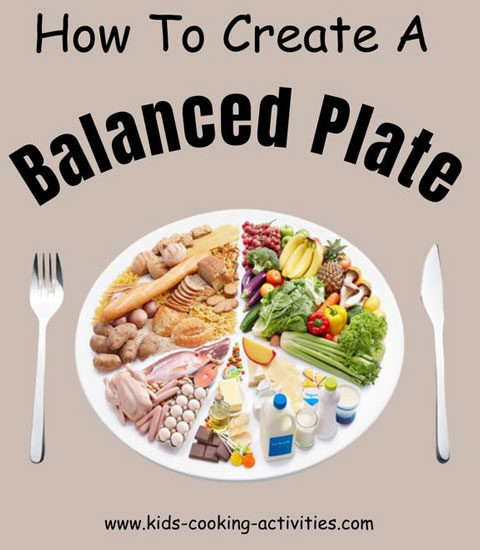
Combining vegetables, grains, proteins, and healthy fats helps create balanced meals for families.

Building Balanced Meals

Balanced meals often include a combination of vegetables, fruits, whole grains, protein, and healthy fats. Instead of focusing on strict restrictions, many families benefit from building meals around simple whole foods and portion balance.

Vegetables

Add colorful vegetables to soups, pasta, casseroles, wraps, bowls, and side dishes.

Protein Foods

Eggs, yogurt, beans, chicken, fish, nuts, seeds, cheese, and lean meats help meals feel filling.

Whole Grains

Choose brown rice, oats, quinoa, popcorn, or whole grain breads and cereals when possible.

Healthy Fats

Avocados, olive oil, nut butters, seeds, and nuts can support balanced meals and snacks.

Simple Balanced Meal Formula

1 Protein

Eggs, yogurt, beans, chicken, fish, cheese, nuts, or seeds.

1 Fiber-Rich Food

Vegetables, fruit, oats, beans, popcorn, or whole grains.

1 Healthy Fat

Avocado, olive oil, nut butter, nuts, or seeds.

Add Color

Include fruits or vegetables whenever possible.

Whole Grains & Fiber

Fiber-rich foods may help meals feel more satisfying while supporting healthy digestion and balanced eating habits.
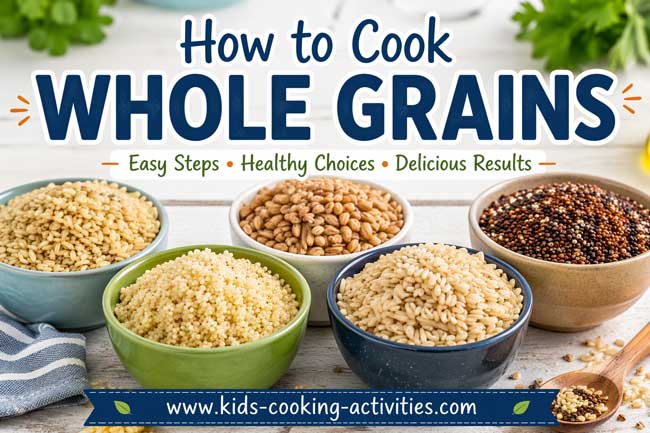
How to cook whole grains How to Cook Whole Grains

Learn how to prepare brown rice, quinoa, oats, and other whole grains for healthy family meals.

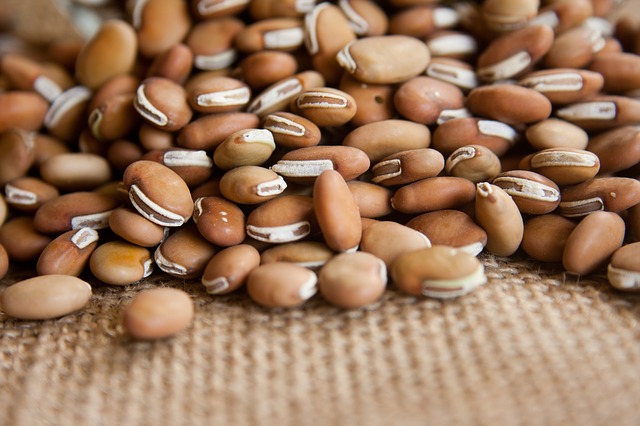
How to cook dry beans Beans & Lentils

Beans and lentils add fiber and protein to soups, wraps, salads, and casseroles.

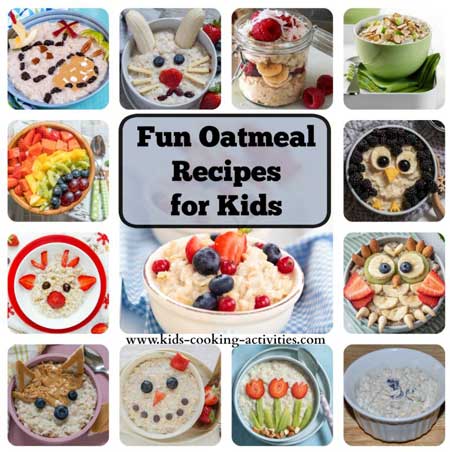
Oatmeal recipes Oatmeal Ideas

Oatmeal makes a filling breakfast that can include fruit, nuts, yogurt, or seeds.

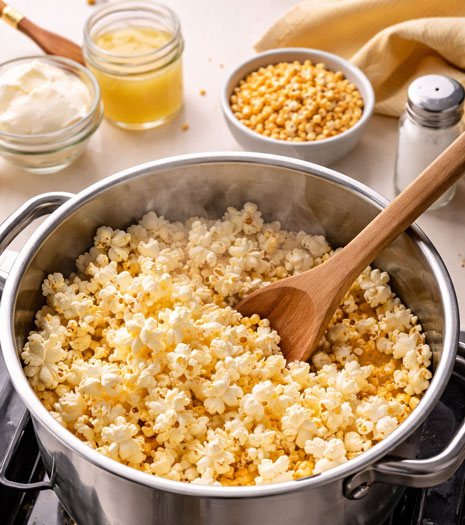
Healthy popcorn recipes Healthy Popcorn

Air-popped popcorn is a whole grain snack option families can customize with seasonings.

Vegetables & Protein

Combining vegetables with protein-rich foods can help meals feel more balanced and satisfying while encouraging children to eat a wider variety of foods.
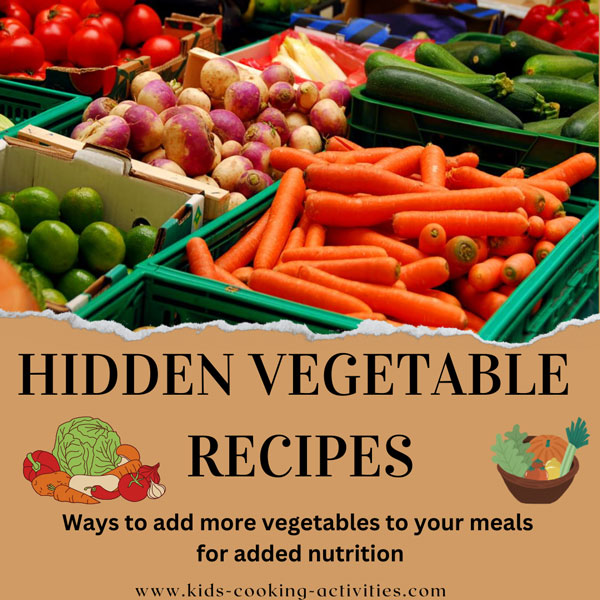
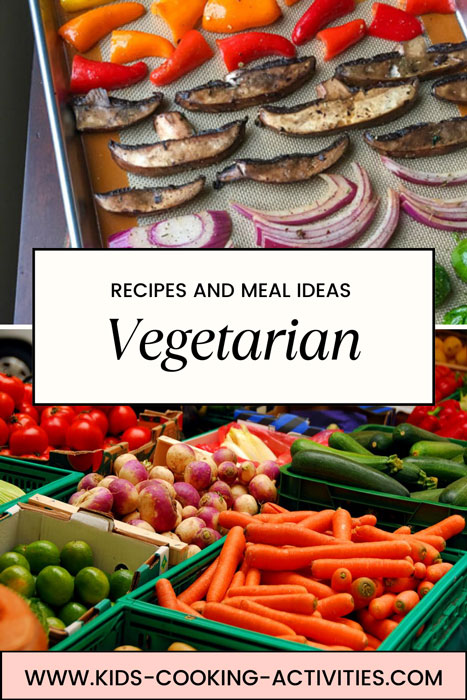
Hidden vegetable recipes Hidden Vegetable Recipes

Add vegetables to sauces, soups, casseroles, smoothies, muffins, and pasta dishes.

Vegetarian meal ideas Vegetarian Meal Ideas

Beans, lentils, eggs, and dairy foods provide protein for balanced family meals.

Egg omelet recipes Egg Meals

Eggs are an easy protein source for breakfasts, lunches, snacks, and dinners.

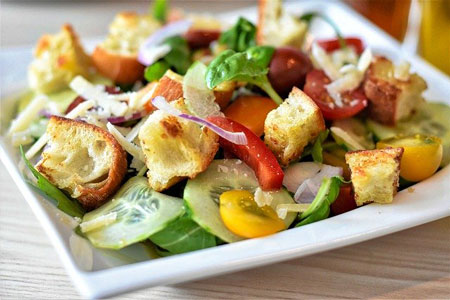
Healthy salads Healthy Salads

Add vegetables, beans, eggs, chicken, cheese, nuts, or seeds to salads for balanced meals.

Balanced Breakfast Ideas

Balanced breakfasts often include protein, fiber, fruit, and whole grains to help children stay satisfied throughout the morning.

Oatmeal recipes Oatmeal Recipes

Oatmeal can be topped with fruit, nuts, yogurt, seeds, or cinnamon for filling breakfasts.

Egg breakfast ideas Egg Breakfasts

Eggs provide protein for omelets, breakfast burritos, sandwiches, and casseroles.

Smoothie recipes Smoothie Recipes

Blend fruit, yogurt, oats, vegetables, and nut butter into balanced smoothies.

Parfait ideas Parfait Ideas

Layer yogurt, fruit, nuts, seeds, or granola into colorful breakfast parfaits.

Whole wheat pancakes Whole Grain Pancakes

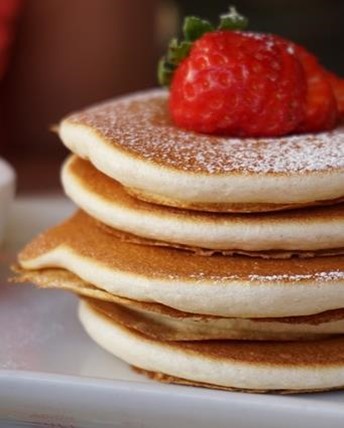
Whole grain pancakes can include oats, fruit, pumpkin, or nuts for extra fiber.

Easy breakfast meals Easy Breakfast Meals

Find simple breakfasts kids can help prepare before school or on busy mornings.

Breakfast Tip: Combining protein, fiber, and healthy fats with breakfast may help children stay full longer and maintain steady energy levels throughout the morning.

Healthy Snack Ideas

Balanced snacks often combine protein, fiber, fruits, vegetables, or whole grains to help children stay satisfied between meals.
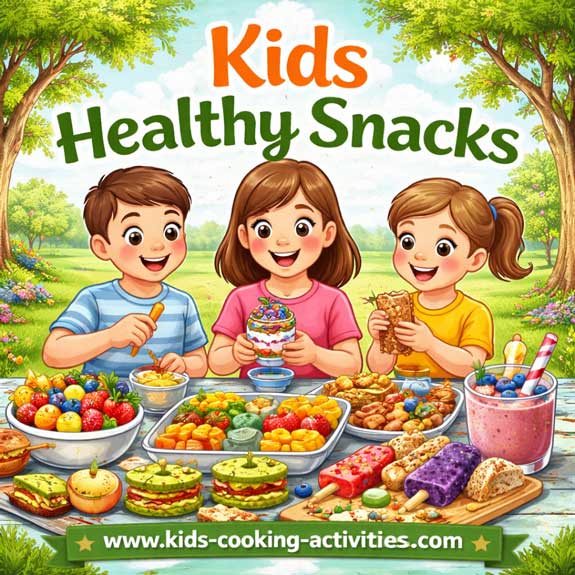
Healthy snacks for kids Healthy Snacks

Find nutritious snack ideas kids can help prepare and enjoy.

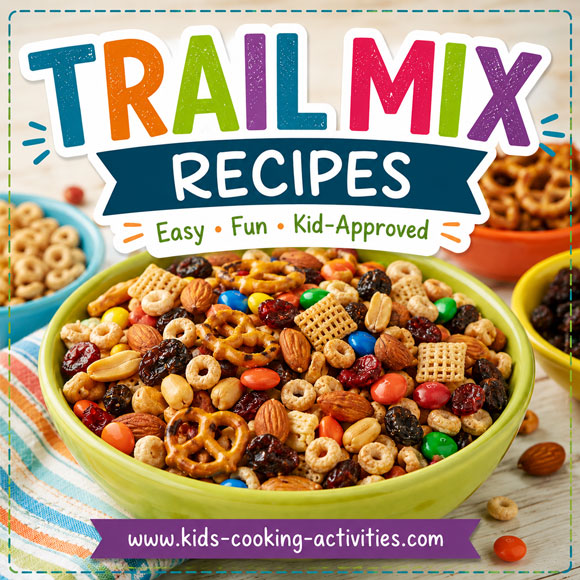
Trail mix recipes Trail Mix

Mix nuts, seeds, dried fruit, cereal, and popcorn for easy portable snacks.

Fruit smoothies Fruit Smoothies

Blend fruit with yogurt, milk, oats, or nut butter for filling snacks and breakfasts.

Vegetables and dips Vegetables & Dips

Pair vegetables with hummus, bean dips, yogurt dips, or nut butters for balanced snacks.

Yogurt parfaits Yogurt Parfaits

Layer yogurt, fruit, nuts, seeds, or granola for colorful snacks and breakfasts.

Balanced Meal Ideas

These family-friendly meals combine vegetables, protein, whole grains, and healthy ingredients in ways children can help prepare and customize.

Meatless recipes Meatless Meals

Beans, vegetables, soups, rice bowls, pasta dishes, and baked potatoes make balanced meals.

Healthy family meals Healthy Family Meals

Explore balanced meal ideas with vegetables, grains, proteins, and healthy sides.

Healthy lunches Healthy Lunches

Balanced lunches may include protein, fruit, vegetables, dairy foods, and whole grains.

Healthy breakfast ideas Balanced Breakfasts

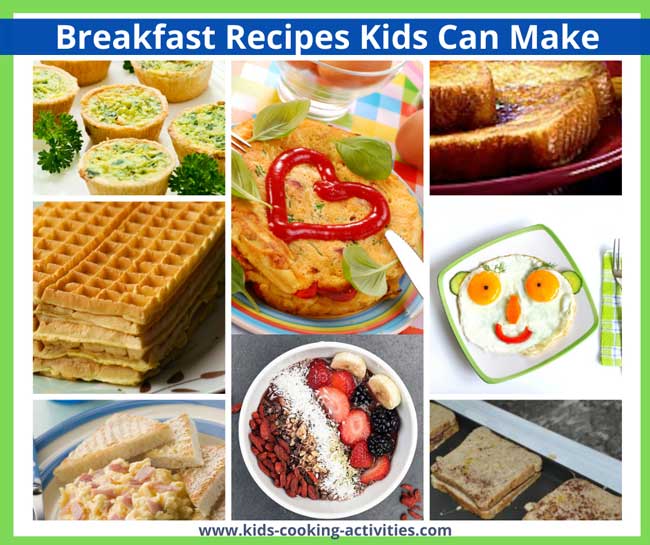
Oatmeal, eggs, smoothies, yogurt parfaits, and fruit make nutritious breakfast options.

Healthy soup recipes Soups & Stews

Soups are an easy way to combine vegetables, protein, grains, and fiber-rich ingredients.

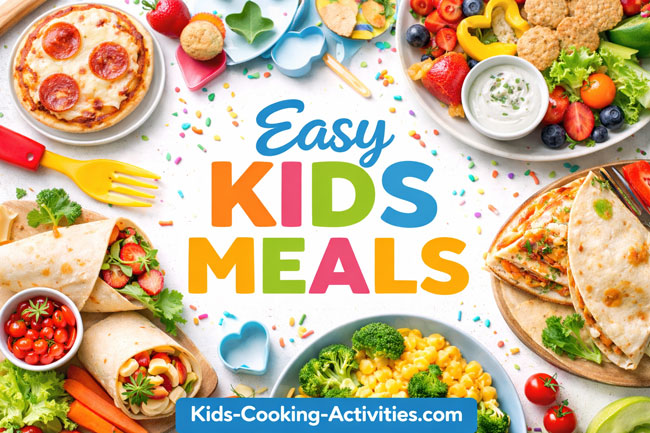
Easy kids meals Easy Kids Meals

Find simple family meals kids can help prepare and customize.

Healthy Eating for Picky Eaters

Children often prefer familiar foods and textures, especially when trying healthier meals. Small changes and flexible meal options can help make balanced eating feel easier and less stressful for families.

Start Small

Add one new ingredient at a time instead of completely changing favorite meals.

Build Familiar Meals

Pizza, pasta, quesadillas, wraps, soups, smoothies, and bowls are easy meals to adapt.

Use Balanced Snacks

Protein and fiber-rich snacks may help children stay satisfied between meals.

Let Kids Help Cook

Children are often more willing to try foods they helped prepare themselves.

Family Tip: Instead of focusing on "good" or "bad" foods, encourage balance, variety, colorful foods, and reasonable portions.

Lower Sugar Ingredient Swaps

Small ingredient changes can help reduce added sugar while still creating meals and snacks children enjoy.

Applesauce

Unsweetened applesauce can replace part of the sugar or oil in muffins, cakes, and quick breads.

Mashed Bananas

Bananas naturally add sweetness to oatmeal, pancakes, muffins, smoothies, and baked goods.

Fruit Purees

Pureed berries, peaches, pumpkin, or pears can help sweeten recipes naturally.

Cinnamon & Vanilla

Flavorful spices and extracts often help foods taste sweeter without additional sugar.

Yogurt Instead of Frosting

Greek yogurt and fruit can replace heavy frostings or sugary toppings.

Smaller Portions of Sweets

Balanced eating focuses on moderation and enjoying treats alongside healthy meals.

Family-Friendly Recipes

Balanced Breakfast Smoothie
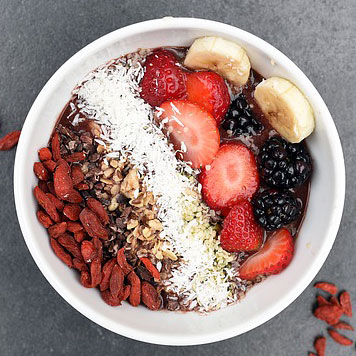
Balanced breakfast smoothie

This smoothie combines fruit, protein, fiber, and healthy fats for a filling breakfast or snack.

Ingredients

  • 1 banana
  • 1 cup frozen berries
  • 1/2 cup yogurt
  • 1/2 cup milk
  • 1 tablespoon peanut butter or almond butter
  • 2 tablespoons oats

Directions

  1. Add all ingredients to a blender.
  2. Blend until smooth.
  3. Serve immediately.
Variation: Add spinach, chia seeds, flaxseed, or extra fruit for additional nutrition.

Whole Grain Rice Bowl

Whole grain rice bowl

Rice bowls are easy to customize with vegetables, proteins, and sauces for balanced family meals.

Ingredients

  • 2 cups cooked brown rice
  • 1 cup cooked vegetables
  • 1 cup cooked chicken, beans, tofu, or eggs
  • 1 avocado, sliced
  • 1/4 cup shredded cheese or seeds
  • Salsa or dressing, optional

Directions

  1. Prepare rice according to package directions.
  2. Add rice to serving bowls.
  3. Top with vegetables, protein, avocado, and toppings.
  4. Serve warm.
Kid Cooking Tip: Set out ingredients buffet-style so children can build their own bowls.

Healthy Yogurt Parfait

Healthy yogurt parfait

Yogurt parfaits combine protein, fruit, and whole grains into a quick breakfast or snack.

Ingredients

  • 1 cup yogurt
  • 1/2 cup berries or fruit
  • 1/4 cup granola or oats
  • 1 tablespoon nuts or seeds

Directions

  1. Layer yogurt, fruit, and granola into a glass or bowl.
  2. Repeat layers if desired.
  3. Top with nuts or seeds before serving.
Serving Suggestion: Choose lower added sugar yogurt and granola when possible.

Lower Added Sugar Desserts

Desserts can still be part of balanced family meals when they focus on moderation, simple ingredients, fruit, and lower added sugar options.

Healthy dessert ideas Healthy Dessert Ideas

Explore fruit-based desserts and lighter sweet treats families can make together.

Frozen yogurt Frozen Yogurt

Frozen yogurt can be topped with berries, fruit, nuts, or granola for simple desserts.

Fruit kabobs Fruit Desserts

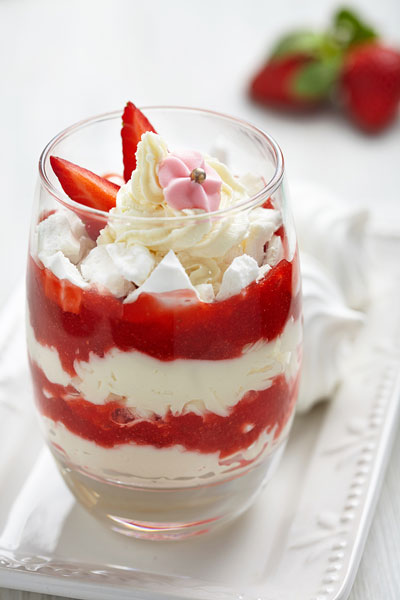
Fresh fruit, parfaits, smoothies, and fruit kabobs naturally add sweetness to meals and snacks.

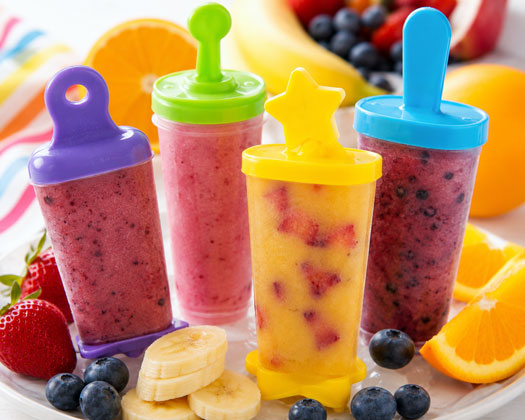
Fruit popsicles Fruit Popsicles

Homemade popsicles made with fruit and yogurt can be refreshing lower added sugar treats.

Healthier Chocolate Cake

by Joanne Clifton
This chocolate cake uses simple ingredient swaps and moderate sweetness for a lighter dessert option families can enjoy together.

Ingredients

  • 1 1/2 cups whole wheat flour or all-purpose flour
  • 1/3 cup cocoa powder
  • 1 teaspoon baking soda
  • 1/2 teaspoon salt
  • 2 eggs
  • 1/2 cup applesauce
  • 1/3 cup oil
  • 3/4 cup sugar or preferred sweetener
  • 1 teaspoon vanilla
  • 1 cup milk

Directions

  1. Preheat oven to 350 degrees.
  2. Grease an 8-inch cake pan.
  3. Mix dry ingredients together in a bowl.
  4. In another bowl combine eggs, applesauce, oil, vanilla, sugar, and milk.
  5. Add wet ingredients to dry ingredients and stir until combined.
  6. Pour batter into prepared pan.
  7. Bake 25-30 minutes or until center tests done.
  8. Cool before serving.

Light Cream Cheese Frosting

  • 4 ounces reduced-fat cream cheese
  • 1/2 cup plain Greek yogurt
  • 1 teaspoon vanilla
  • 2-3 tablespoons powdered sugar or honey

Beat ingredients until smooth and spread over cooled cake.

Serving Idea: Top with fresh berries, yogurt, or a light dusting of powdered sugar instead of heavy frosting.

Healthy Grocery Shopping Tips

Healthy meals are easier to build when your kitchen is stocked with simple ingredients that support balanced meals, lower added sugar, fiber, protein, and portion balance.

Choose Whole Foods

Start with fruits, vegetables, eggs, beans, yogurt, oats, brown rice, whole grains, nuts, seeds, and simple proteins.

Compare Added Sugar

Check cereals, yogurt, granola bars, sauces, drinks, and snacks for added sugar and choose lower sugar options when possible.

Look for Fiber

Choose foods with fiber such as beans, lentils, oats, popcorn, fruits, vegetables, and whole grains.

Plan Balanced Snacks

Shop for snack pairings such as fruit with nut butter, vegetables with dip, yogurt with berries, or popcorn with cheese.

Teaching Tip: Turn grocery shopping into a learning activity. Use our Grocery Shopping Lesson to help kids compare labels, plan balanced snacks, and make healthier food choices.

Reading Labels & Portion Balance

Reading labels and understanding portions can help families make informed food choices without making meals feel stressful or restrictive.

Check Added Sugars

Many cereals, drinks, yogurt products, sauces, and snacks contain added sugars that can quickly add up.

Look for Fiber

Whole grains, beans, fruits, vegetables, oats, popcorn, and seeds often provide more fiber.

Balance Portions

Try combining vegetables, protein foods, whole grains, and healthy fats instead of focusing on restriction.

Plan Balanced Snacks

Pair fruit or vegetables with protein foods like yogurt, cheese, nuts, seeds, or nut butter.

Healthy Habit Tip: Focus on long-term healthy habits and balanced meals instead of strict dieting or labeling foods as "bad."

Nutrition Learning Resources

Use these resources to help children learn about healthy eating, ingredients, grains, vegetables, balanced meals, and cooking skills.

Food facts for kids Food Facts

Learn about fruits, vegetables, grains, dairy foods, herbs, and ingredients used in cooking.

Fruit and vegetable nutrition chart Fruit & Vegetable Nutrition Chart

Explore nutrients and benefits found in colorful fruits and vegetables.

Healthy portion sizes Healthy Portion Sizes

Learn how portion sizes fit into balanced meals and healthy eating habits.

Nutrition lesson for kids Nutrition Lesson for Kids

Teach nutrition concepts through hands-on cooking activities and food exploration.

Grocery shopping lesson Grocery Shopping Lesson

Help children learn how to compare foods, read labels, and make balanced grocery choices.

Healthy eating for kids Healthy Eating for Kids

Return to the main healthy eating guide for more balanced meal ideas and nutrition resources.

More Healthy Eating Ideas

Healthy snacks for kids Healthy Snacks

Find nutritious snack ideas kids can help prepare and enjoy.

Healthy dessert ideas Healthy Dessert Ideas

Explore fruit-based desserts and lighter sweet treats families can make together.

Hidden vegetable recipes Hidden Vegetable Recipes

Add vegetables to sauces, casseroles, smoothies, soups, and baked goods.

Vegetarian meal ideas Vegetarian Meal Ideas

Discover meatless meals with vegetables, beans, soups, grains, and balanced family dinners.

Meatless meal ideas Meatless Recipes

Explore soups, pasta dishes, casseroles, rice bowls, and easy meatless family meals.

Gluten free eating Gluten-Free Eating

Learn about gluten-free substitutions, recipes, snacks, and balanced meal ideas.

Balanced Family Meals FAQ

What foods help support balanced blood sugar?
Meals that include vegetables, fruits, whole grains, protein foods, fiber, and healthy fats may help support balanced energy and satisfying meals.
Why are protein and fiber important?
Protein and fiber-rich foods can help meals feel more filling and may help children stay satisfied longer between meals.
What are healthy snack ideas for kids?
Fruit with nut butter, yogurt parfaits, trail mix, smoothies, popcorn, vegetables with dip, cheese, and whole grain snacks are balanced snack options.
What whole grains work well for families?
Brown rice, oats, quinoa, popcorn, and whole grain breads or cereals are common family-friendly whole grains.
How can I reduce added sugar without making meals boring?
Focus on naturally sweet foods like fruit, flavored oatmeal, smoothies, yogurt parfaits, and homemade snacks instead of heavily processed sweets.
What meals work well for picky eaters?
Pasta, wraps, quesadillas, smoothies, soups, rice bowls, pizza, oatmeal, and baked potatoes are easy meals to adapt for different preferences.
Can kids help prepare balanced meals?
Yes. Children can help wash vegetables, measure ingredients, build rice bowls, make smoothies, layer parfaits, and prepare snacks or simple meals.
Should families completely avoid sugar or carbohydrates?
Balanced eating focuses on variety, reasonable portions, whole foods, and moderation rather than strict restriction or eliminating entire food groups.
Healthy Eating Reminder: Balanced meals and healthy habits are more sustainable when families focus on variety, flexibility, and enjoyable cooking experiences together.

Do you have a recipe?

Submit your favorite kids recipe

Do you have a favorite recipe your kids love to make? Or a recipe your kids ask you to make again and again? Share it with us!


Get Free Kids Recipe Cards + Cooking Printables

Join Kids Cooking Activities for fun recipes, cooking ideas, and printable resources for kids, families, and classrooms.

Join the Free Printables Club

Follow Kids Cooking Activities too: