

- Home ›
- Food Facts ›
- Parsnip
Parsnip Facts
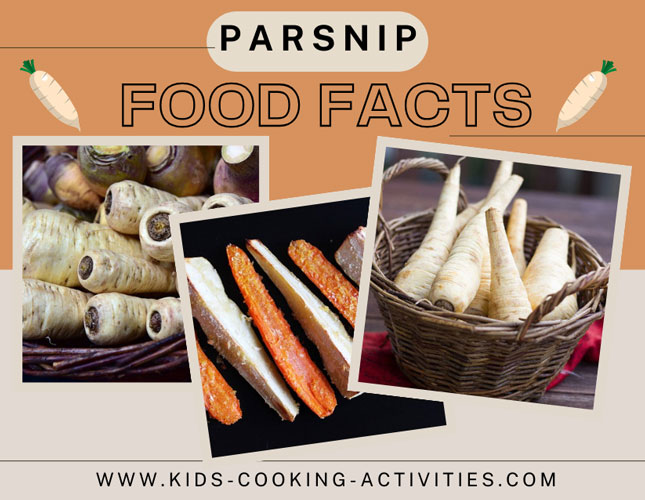
Learn fun parsnip facts and general information about parsnips. This page includes how parsnips grow, how to choose and store them, nutrition facts, and easy parsnip recipe ideas.
Kids Cooking Activities Teaching Materials
Teaching kids to cook? Save time with ready-made lesson plans used by parents and teachers. Browse teaching materials →


This page may contain affiliate links. We may earn a small commission at no extra cost to you. Learn more.
On This Page
Fun Parsnip Facts
- Parsnips are a root vegetable that grow underground.
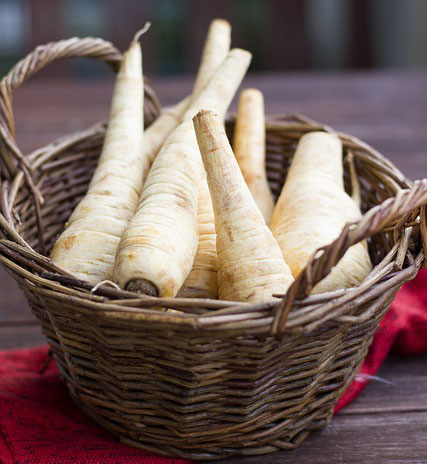
- They look like white or cream-colored carrots.
- Parsnips are often sweeter after cold weather.
- They can be roasted, sautéed, or added to soups and stews.
- Parsnips contain fiber and several important vitamins and minerals.
How Parsnips Grow, Buying Tips, and Storage
When Parsnips Are Available
Parsnips are commonly available in autumn and winter.
How Do Parsnips Grow?
Parsnips grow underground as a root vegetable.
What to Look for When Buying Parsnips
Parsnips look like white carrots. Choose parsnips that are crisp, firm, and unblemished.
Parsnip Storage Tips
Store parsnips in the refrigerator.
How to Cook with Parsnips
How to Use Parsnips
- Wash and peel the parsnips.
- Cut them into cubes, slices, or sticks.
- Roast, sauté, or add them to soups and stews until tender.
Parsnips Compared to Carrots
Parsnips are pale cream or white and have a slightly sweet, earthy flavor.
Carrots are usually orange and often taste sweet and crisp when raw.
Both are root vegetables, but parsnips are usually softer and sweeter after cooking.
Food Science: Why Parsnips Taste Sweeter When Cooked
Why Do Parsnips Taste Sweeter After Cooking?
Parsnips naturally contain starches that can taste sweeter after cooking. Heat softens the vegetable and helps bring out its sweet flavor.
This is why roasted or sautéed parsnips often taste sweeter than raw parsnips.
Mini Activity
Parsnip and Carrot Compare
- Look at a parsnip and a carrot side by side.
- Notice the color and shape of each vegetable.
- Talk about how they are alike and how they are different.
- If possible, taste them cooked and compare the flavors.
Parsnip Nutrition Facts
Parsnips are high in fiber, vitamin C, vitamin K, folate, and potassium.
- Parsnips contain fiber.
- They provide vitamin C and vitamin K.
- They also contain folate.
- Parsnips are a source of potassium.
More Food Fact Resources
Parsnip Recipes
Roasted Parsnips
An easy roasted parsnip side dish made with chopped parsnips, butter, and garlic.
- Category: Side Dish
- Prep: 10 minutes
- Cook: 25 to 30 minutes
- Yield: Varies



Ingredients
- 2 to 3 parsnips, peeled and chopped in cubes
- 1 tablespoon butter
- 1 garlic clove
Directions
- Place chopped parsnip in a casserole dish.
- In a small frying pan, saute garlic in butter.
- Pour over parsnip.
- Bake at 375 degrees for 25 to 30 minutes.
Nutmeg Parsnip Sticks in a Skillet
A simple skillet side dish made with tender parsnip sticks, butter, and nutmeg.
- Category: Side Dish
- Prep: 10 minutes
- Cook: 8 to 10 minutes
- Yield: Varies

Ingredients
- 1 lb small parsnips
- 2 tablespoons butter
- 1/4 teaspoon ground nutmeg
- Salt
- Black pepper
Directions
- Peel the parsnips and cut into equally sized small sticks. Lay out on paper towels so they dry well.
- In a large heavy skillet, melt the butter over medium heat.
- Add the parsnip sticks, stirring gently to coat them well with the butter.
- Sprinkle the nutmeg over the parsnips and stir again to coat.
- Cover the skillet tightly with either a lid or aluminum foil, turn the heat down to low heat, and cook slowly for 8 to 10 minutes.
- The parsnips should be tender and slightly caramelized. Add salt and pepper if desired.
More Parsnip Ideas
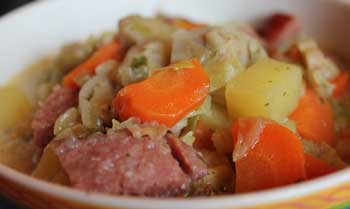

Parsnip Cooking Video
Parsnip Facts FAQ
When are parsnips available?
Parsnips are commonly available in autumn and winter.
How do parsnips grow?
Parsnips grow underground as a root vegetable.
What should you look for when buying parsnips?
Choose parsnips that are crisp, firm, and unblemished.
How should parsnips be stored?
Store parsnips in the refrigerator.
What nutrients are in parsnips?
Parsnips are high in fiber, vitamin C, vitamin K, folate, and potassium.
Keep Learning About Parsnips


Share your food facts and recipes
Do you have a food facts or recipe to share?
Explore More Food Facts
Fruit Facts:
Apple
Apricot
Avocado
Banana
Berry
Cherry
Coconut
Cranberry
Dates
Figs
Grapefruit
Grapes
Kiwi
Lemon & Lime
Mango
Melon
Orange
Papaya
Peach
Pear
Pineapple
Plum
Tomato
Vegetable Facts:
Artichoke
Asparagus
Beet
Broccoli
Brussels Sprouts
Cabbage
Carrot
Cauliflower
Celery
Corn
Cucumber
Eggplant
Garlic
Green Beans
Kale
Lettuce & Salad Greens
Mushrooms
Okra
Onion
Parsnip
Peas
Peppers
Potato
Radish
Rhubarb
Spinach
Summer Squash & Zucchini
Sweet Potato
Turnip
Winter Squash & Pumpkin
Get Free Kids Recipe Cards + Cooking Printables
Join Kids Cooking Activities for fun recipes, cooking ideas, and printable resources for kids, families, and classrooms.
Follow Kids Cooking Activities too:





© Debbie Madson, Madson Web Publishing, LLC — All rights reserved.
The material on this site is for educational purposes only.