

- Home ›
- Food Facts ›
- Mushroom
Mushroom Facts
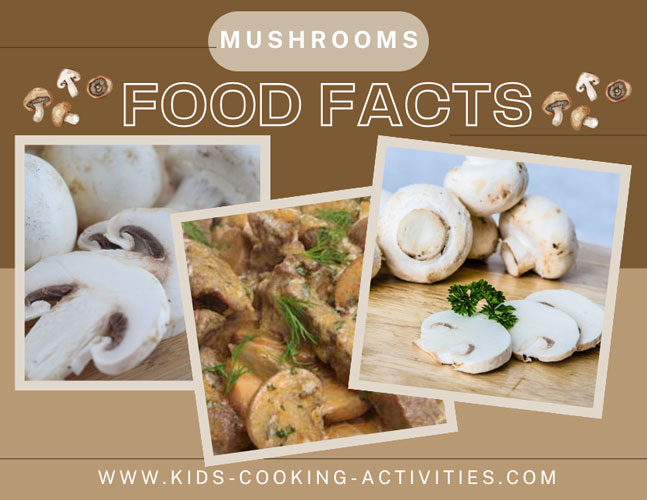
Learn fun mushroom facts and general information about mushrooms. This page includes how mushrooms grow, how to choose and store them, mushroom safety tips, nutrition facts, and easy mushroom recipe ideas.
Kids Cooking Activities Teaching Materials
Teaching kids to cook? Save time with ready-made lesson plans used by parents and teachers. Browse teaching materials →


This page may contain affiliate links. We may earn a small commission at no extra cost to you. Learn more.
On This Page
- Fun Mushroom Facts
- How Mushrooms Grow, Buying Tips, and Storage
- How to Cook with Mushrooms
- Mushroom Texture and Cooking Ideas
- Food Science: Mushrooms Are Fungi
- Mini Activity
- Mushroom Nutrition Facts
- Mushroom Recipes
- More Mushroom Ideas
- Kids Cooking Video: Mushroom Cheese Sandwich
- Kids Cooking Video: Stuffed Mushrooms
- FAQ
Fun Mushroom Facts
- Mushrooms are available year round.
- Mushrooms are fungi, not plants.
- Only buy mushrooms from the grocery store or a trusted market.
- Never eat wild mushrooms.
- Mushrooms can be sauteed, stuffed, added to soups, or used in sandwiches and burgers.
How Mushrooms Grow, Buying Tips, and Storage
When Mushrooms Are Available
Mushrooms are available year round.
How Do Mushrooms Grow?
Mushrooms are a type of fungi that grows in soil or other growing material. Because some wild mushrooms are unsafe, it is important to only buy mushrooms from the grocery store or another reputable market.
What to Look for When Buying Mushrooms
Choose mushrooms that are dry and firm. Avoid mushrooms that are damp, dark, or soft.
Mushroom Storage Tips
Store mushrooms on a shelf in the refrigerator and use them while they are still fresh.
How to Cook with Mushrooms
How to Use Mushrooms
- Wipe mushrooms gently clean and trim the stems if needed.
- Saute mushrooms with butter or oil until tender.
- Use mushrooms in soups, stuffed mushroom recipes, sandwiches, side dishes, and main dishes.
Mushroom Texture and Cooking Ideas
Fresh mushrooms should feel firm and dry.
Sauteed mushrooms become softer and more flavorful.
Large mushrooms like Portobellos work well for stuffing.
Smaller mushrooms are easy to slice into soups, sandwiches, and pasta dishes.
Food Science: Mushrooms Are Fungi
What Makes a Mushroom Different?
Mushrooms are fungi, which means they are different from fruits and vegetables. They do not grow the same way plants do.
When mushrooms cook, they release water and become softer, which changes both their texture and flavor.
Mini Activity
Observe a Mushroom
- Look at the cap, stem, and underside of a mushroom.
- Describe the color, shape, and texture.
- Smell the mushroom before cooking.
- Cook a few slices and compare how the mushroom changes after heating.
Mushroom Nutrition Facts
Mushrooms are low in calories. They provide B vitamins including riboflavin and niacin, along with selenium.
- Mushrooms are low in calories.
- They contain riboflavin, which supports healthy skin and vision.
- They contain niacin, which supports the nervous and digestive systems.
- They contain selenium, which supports the immune system.
More Food Fact Resources
Mushroom Recipes
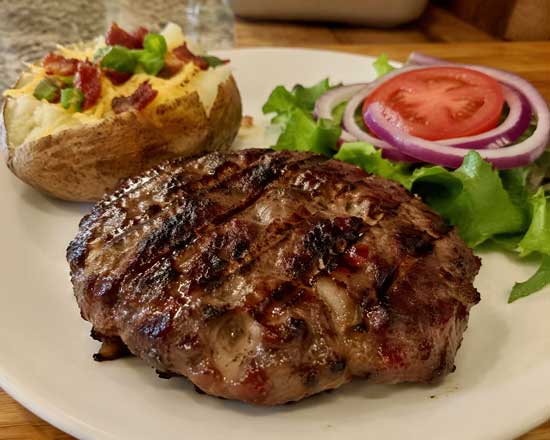
Mushroom Bacon Burgers
These burgers combine bacon, mushrooms, onion, hamburger, sausage, and Parmesan cheese for a flavorful main dish.
- Category: Main Dish
- Prep: 20 minutes
- Cook: About 15 minutes
- Yield: Varies


Ingredients
- 4 slices bacon
- 1 onion, chopped or pureed
- 1 small can mushrooms, drained and chopped
- 1 lb. ground hamburger
- 1 lb. pork sausage
- 1/4 cup Parmesan cheese
- Black pepper
- 2 tablespoons Worcestershire sauce
Directions
- Cook bacon and drain on paper towel.
- Cook onion and mushrooms in the bacon grease.
- In a mixing bowl, combine hamburger and sausage.
- Add cheese, pepper, Worcestershire sauce, onion, bacon, and mushrooms.
- Mix well, form into patties, and grill until fully cooked.
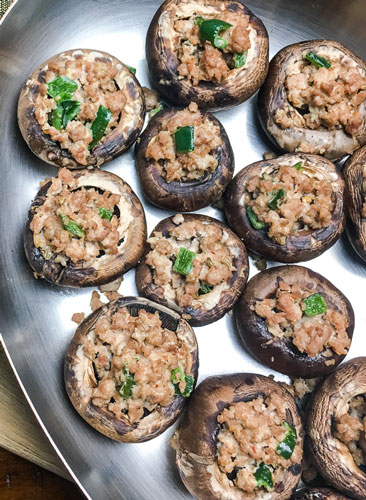
Turkey Stuffed Mushrooms
Baked Portobello mushrooms filled with turkey sausage and goat cheese make a hearty mushroom recipe.
- Category: Appetizer
- Prep: 20 minutes
- Cook: 10 to 12 minutes
- Yield: Varies
Ingredients
- 3 tablespoons extra virgin olive oil, divided
- 1 lb. bulk turkey sausage
- 4 oz. goat cheese, room temperature, cut into small chunks
- 16 oz. medium Portobello mushrooms, rinsed, stems removed, and patted dry
- Sea salt and black pepper, optional
Directions
- Preheat oven to 350°F and lightly grease a large roasting pan with 1 tablespoon olive oil.
- Heat the remaining olive oil in a skillet over medium heat and cook turkey sausage until no longer pink, breaking it into small pieces.
- Add goat cheese to the skillet and cover for 1 to 2 minutes. Stir until melted and combined.
- Fill each mushroom cap with the turkey mixture.
- Drizzle mushrooms with remaining olive oil and season if desired.
- Roast for 10 to 12 minutes, until slightly browned around the edges, then serve.
More Mushroom Ideas
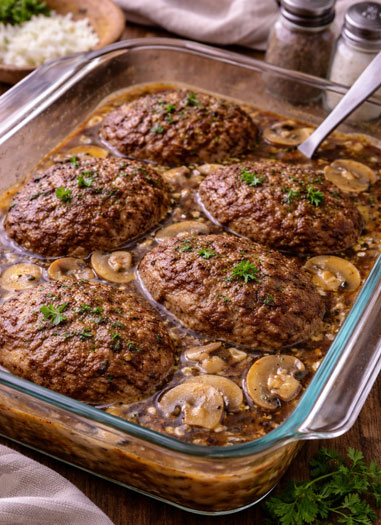
Mushroom Patties
Try another mushroom idea from the easy microwave meals page.
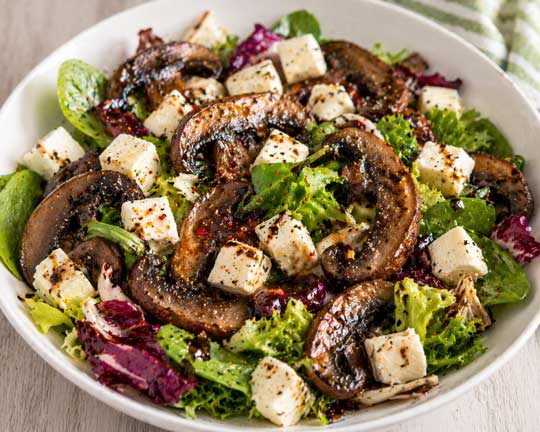
Portobello Mushroom Salad
See how mushrooms can be used in a salad recipe.
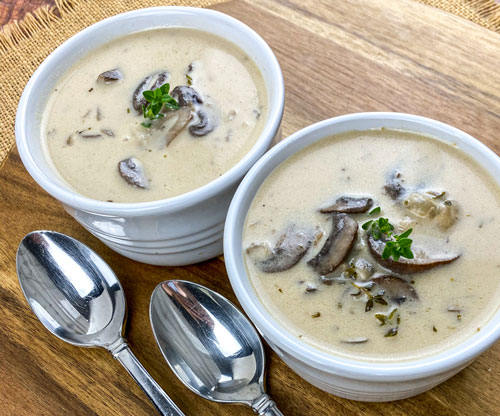
Cream of Mushroom Soup
Make homemade cream of mushroom soup to use in recipes or enjoy as is.
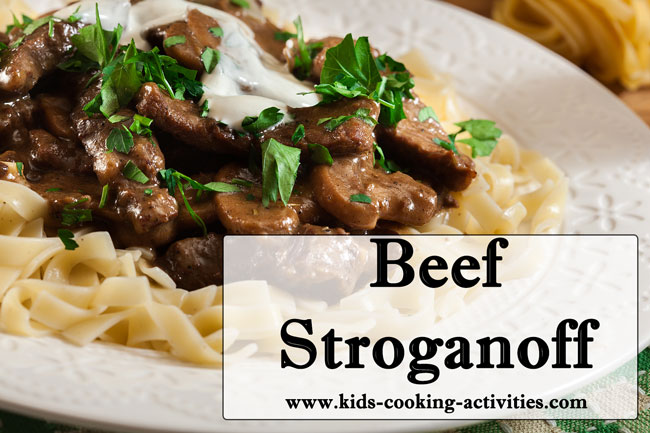
Beef Stroganoff
Use mushrooms in a hearty stroganoff dinner.
Kids Cooking Video: Mushroom Cheese Sandwich
Mushroom Facts FAQ
When are mushrooms available?
Mushrooms are available year round.
How do mushrooms grow?
Mushrooms are a type of fungi and grow in soil or other growing material.
Is it safe to eat wild mushrooms?
No. Only buy mushrooms from the grocery store or a trusted market. Never eat wild mushrooms.
What should you look for when buying mushrooms?
Choose mushrooms that are dry and firm. Avoid mushrooms that are damp, dark, or soft.
What nutrients are in mushrooms?
Mushrooms are low in calories and contain B vitamins such as riboflavin and niacin, along with selenium.
Keep Learning About Mushrooms


Share your food facts and recipes
Do you have a food facts or recipe to share?
Explore More Food Facts
Fruit Facts:
Apple
Apricot
Avocado
Banana
Berry
Cherry
Coconut
Cranberry
Dates
Figs
Grapefruit
Grapes
Kiwi
Lemon & Lime
Mango
Melon
Orange
Papaya
Peach
Pear
Pineapple
Plum
Tomato
Vegetable Facts:
Artichoke
Asparagus
Beet
Broccoli
Brussels Sprouts
Cabbage
Carrot
Cauliflower
Celery
Corn
Cucumber
Eggplant
Garlic
Green Beans
Kale
Lettuce & Salad Greens
Mushrooms
Okra
Onion
Parsnip
Peas
Peppers
Potato
Radish
Rhubarb
Spinach
Summer Squash & Zucchini
Sweet Potato
Turnip
Winter Squash & Pumpkin
Get Free Kids Recipe Cards + Cooking Printables
Join Kids Cooking Activities for fun recipes, cooking ideas, and printable resources for kids, families, and classrooms.
Follow Kids Cooking Activities too:






© Debbie Madson, Madson Web Publishing, LLC — All rights reserved.
The material on this site is for educational purposes only.