

- Home ›
- Food Facts ›
- Peppers
Pepper Facts
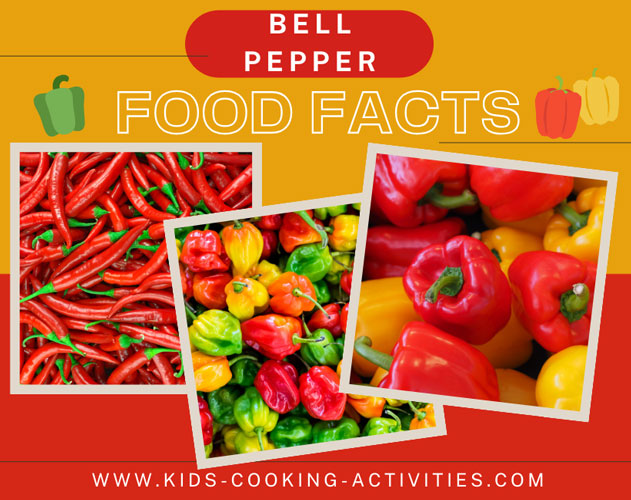
Learn fun pepper facts and general information about peppers. This page includes how peppers grow, how to choose and store them, nutrition facts, and easy pepper recipe ideas.
Kids Cooking Activities Teaching Materials
Teaching kids to cook? Save time with ready-made lesson plans used by parents and teachers. Browse teaching materials →


This page may contain affiliate links. We may earn a small commission at no extra cost to you. Learn more.
On This Page
Fun Pepper Facts
- Peppers grow on plants, similar to tomatoes.
- There are many pepper colors, including green, red, yellow, and orange.
- Some peppers are sweet, while others are spicy.
- Bell peppers can be chopped into salads, stuffed, grilled, baked, or cooked in main dishes.
- Peppers contain helpful vitamins and other nutrients.
How Peppers Grow, Buying Tips, and Storage
When Peppers Are Available
Fresh peppers are commonly available through summer or shipped from warm growing areas.
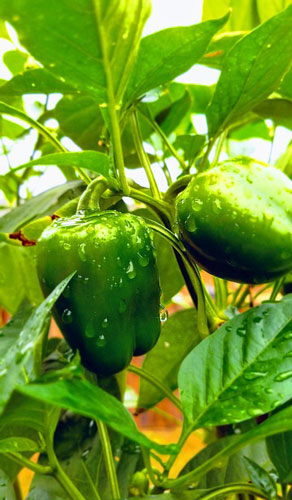
How Do Peppers Grow?
Peppers grow on a plant like tomatoes.
What to Look for When Buying Peppers
Choose peppers with no cracks or nicks. There are many different varieties and colors of peppers.
Pepper Storage Tips
Store peppers at room temperature.
How to Cook with Peppers
How to Use Bell Peppers
- Wash the pepper and cut it open.
- Remove the seeds and stem.
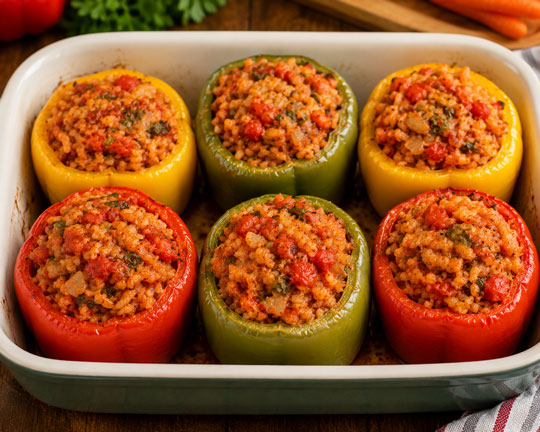
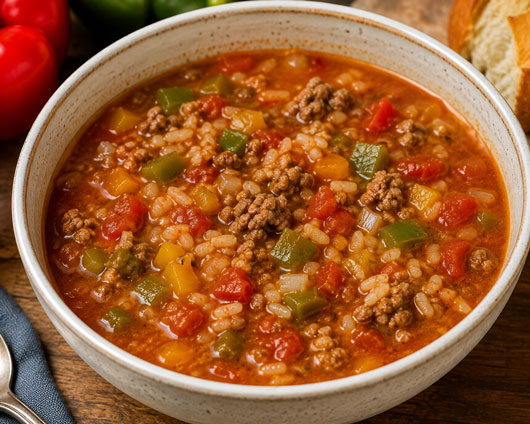
- Chop and use peppers in salads, soups, pasta, stuffed pepper recipes, grilled dishes, or baked meals.
Bell Peppers by Color
Green bell peppers are usually less sweet and a little more crisp.
Red, yellow, and orange bell peppers are often sweeter and more colorful.
All colors can be used in salads, cooked dishes, and stuffed pepper recipes.
Food Science: Sweet vs. Hot Peppers
Why Are Some Peppers Sweet and Some Spicy?
Bell peppers are sweet peppers, while some other peppers contain natural compounds that make them taste hot or spicy.
That is why one kind of pepper can taste mild while another can feel very hot on your tongue.
Mini Activity
Pepper Color Sort
- Look at peppers of different colors if you have them.
- Name each color you see.
- Talk about which pepper looks sweetest and which you would like to taste.
- Count how many colors are in your kitchen or grocery store display.
This simple activity helps kids notice food variety and color in healthy foods.
Pepper Nutrition Facts
Bell peppers are high in vitamin A, vitamin C, and fiber. Red bell peppers contain lycopene and are especially high in vitamin C. Hot peppers contain lutein, which supports healthy vision.
- Bell peppers contain vitamin A.
- They are high in vitamin C.
- They also provide fiber.
- Red bell peppers contain lycopene.
- Hot peppers contain lutein.
More Food Fact Resources
Pepper Recipes
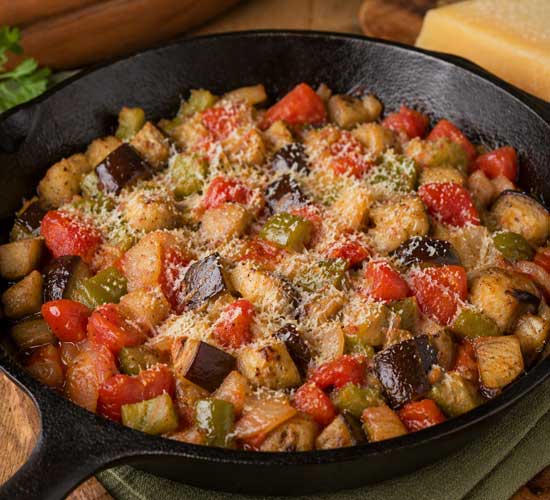
Pepper Harvest Skillet
A vegetable skillet recipe made with eggplant, bell pepper, onion, tomatoes, and Parmesan cheese.
- Category: Main Dish
- Prep: 15 minutes
- Cook: 20 minutes
- Yield: Varies


Ingredients
- 1 medium eggplant, peeled and cut into cubes
- 3 tablespoons vegetable oil
- 1 green bell pepper, seeded and chopped small
- 1 medium onion, peeled and diced small
- 4 large ripe tomatoes, chopped
- 1 teaspoon salt
- 1/4 teaspoon black pepper
- 1 garlic clove, grated
- 1/4 cup grated fresh Parmesan cheese
Directions
- Heat a large heavy skillet over medium heat.
- Add eggplant and oil and cook, stirring occasionally, until the eggplant starts to soften.
- Add all remaining ingredients except the Parmesan cheese and stir gently.
- Continue cooking until all vegetables are tender.
- Sprinkle Parmesan cheese over the top and cook just until the cheese melts.
- Remove from heat and serve immediately.
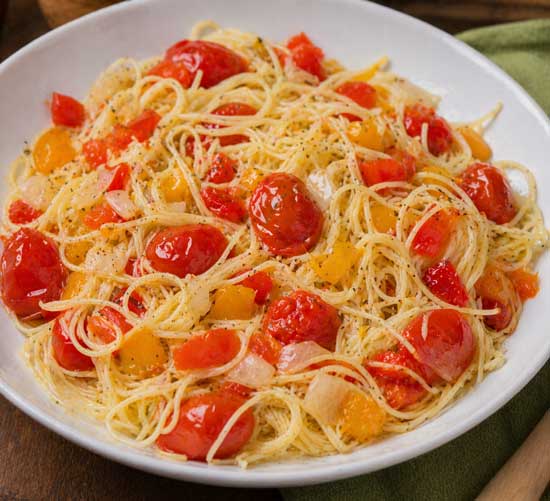
Veggie Pasta
An easy pasta recipe with angel hair pasta, grape tomatoes, onion, and bell pepper.
- Category: Main Dish
- Prep: 10 minutes
- Cook: 15 minutes
- Yield: Varies
By: Allison, Arkansas
Ingredients
- 1 package angel hair pasta
- 1 package grape tomatoes
- 1 onion, chopped
- 1 bell pepper, chopped
Directions
- Cook the pasta.
- In a skillet, cook the tomatoes, onion, and bell pepper.
- Mash the tomatoes.
- Drain the pasta, mix with the vegetables, and enjoy.
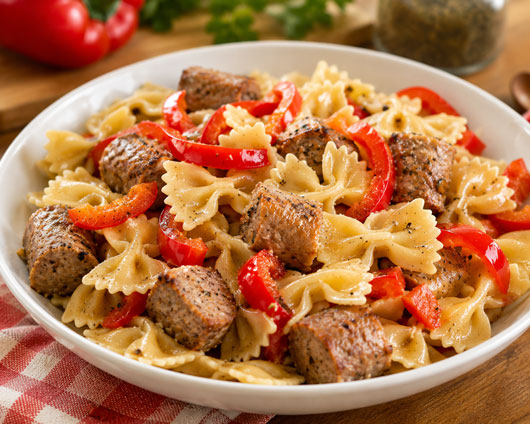
Try this recipe for Italian Pepper Pasta.
More Pepper Ideas

Bell Pepper Salad Recipe Video
Kids Cooking Video: Shrimp and Pepper Stir Fry
Pepper Facts FAQ
When are peppers available?
Fresh peppers are commonly available through summer or shipped from warm areas.
How do peppers grow?
Peppers grow on a plant like tomatoes.
What should you look for when buying peppers?
Choose peppers with no cracks or nicks. There are many different varieties and colors of peppers.
How should peppers be stored?
Store peppers at room temperature.
What nutrients are in peppers?
Bell peppers are high in vitamin A, vitamin C, and fiber. Red bell peppers contain lycopene, and hot peppers contain lutein.
Keep Learning About Peppers


Share your food facts and recipes
Do you have a food facts or recipe to share?
Explore More Food Facts
Fruit Facts:
Apple
Apricot
Avocado
Banana
Berry
Cherry
Coconut
Cranberry
Dates
Figs
Grapefruit
Grapes
Kiwi
Lemon & Lime
Mango
Melon
Orange
Papaya
Peach
Pear
Pineapple
Plum
Tomato
Vegetable Facts:
Artichoke
Asparagus
Beet
Broccoli
Brussels Sprouts
Cabbage
Carrot
Cauliflower
Celery
Corn
Cucumber
Eggplant
Garlic
Green Beans
Kale
Lettuce & Salad Greens
Mushrooms
Okra
Onion
Parsnip
Peas
Peppers
Potato
Radish
Rhubarb
Spinach
Summer Squash & Zucchini
Sweet Potato
Turnip
Winter Squash & Pumpkin
Get Free Kids Recipe Cards + Cooking Printables
Join Kids Cooking Activities for fun recipes, cooking ideas, and printable resources for kids, families, and classrooms.
Follow Kids Cooking Activities too:





© Debbie Madson, Madson Web Publishing, LLC — All rights reserved.
The material on this site is for educational purposes only.