- Home ›
- Food Facts ›
- Egg Facts
Egg Facts
Learn fun egg facts, where eggs come from, how to buy and store them, how eggs are used in cooking, and easy recipes kids can help make. This page also ties into cracking and separating eggs practice for young cooks.
On This Page
Kids Cooking Activities Teaching Materials
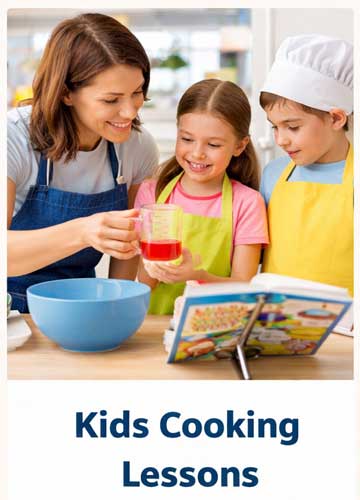
Teaching kids to cook? Save time with ready-made lesson plans used by parents and teachers. Browse teaching materials →


This page may contain affiliate links. We may earn a small commission at no extra cost to you. Learn more.
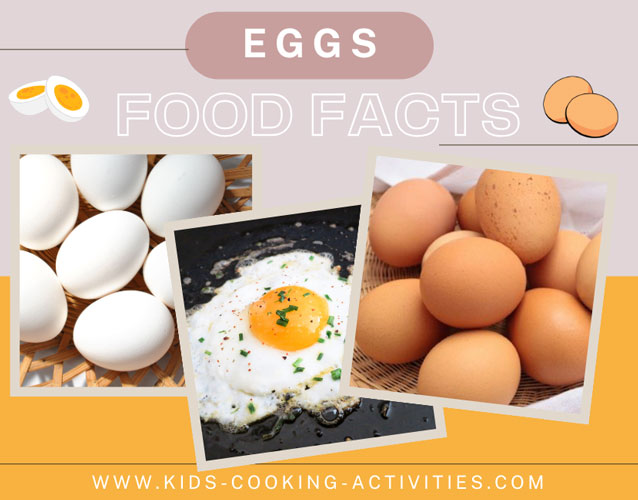
Fun Egg Facts
- Eggs come from poultry including chickens, ducks, and quail.
- Chicken eggs are the kind most often used in home cooking.
- Egg whites and egg yolks each do different jobs in recipes.
- Eggs can be boiled, scrambled, fried, poached, baked, or used in omelets.
- Eggs are used in both savory meals and baked treats.
Where Eggs Come From, Buying Tips, and Storage
Where Eggs Come From
Eggs come from poultry including chickens, ducks, and quail. Chicken eggs are the most common type used in recipes and cooking lessons.
What to Look for When Buying Eggs
Choose eggs with clean, uncracked shells. Open the carton and check that the eggs look whole and not broken.
Storage Tips
Store eggs in the refrigerator in their carton until ready to use. Keeping them cold helps them stay fresh and protected.
How to Crack and Use Eggs
How to Crack and Use Eggs
- Tap the egg on a flat surface like the counter.
- Open it into a small bowl so you can check for shell pieces.
- Use a spoon or clean finger to take out any shell pieces.
- Whisk the egg and use it in scrambled eggs, casseroles, baking, or egg-in-bread recipes.
What Eggs Do in Recipes
What Eggs Do in Recipes
- Binding: Eggs help hold ingredients together in things like meatloaf and casseroles.
- Baking: Eggs help add structure to cakes, muffins, and cookies.
- Moisture: Eggs add richness and help recipes stay tender.
- Glaze: Egg wash can make breads and pastries shiny.
- Main Ingredient: Eggs can be the star of breakfast foods like scrambled eggs and omelets.
Cracking and Separating Eggs Lesson
Chef in Training Lesson Tie-In
This Egg Facts page pairs perfectly with Chef in Training Lesson 2. In that lesson, kids ages 7 to 11 practice cracking eggs, removing shell pieces, learning to separate the yolk from the white, making scrambled eggs, and reviewing kitchen sanitation after using raw eggs.
After reading this page, have kids practice cracking eggs on a flat counter, opening them into a small bowl, and then move into the lesson's scrambled egg activity.
Mini Activity
Egg Cracking Practice
- Set out 2 or 3 eggs and a small bowl.
- Practice tapping each egg on a flat counter.
- Open the egg carefully into the bowl.
- Check for shell pieces and remove them.
- If ready, try separating the yolk from the white with adult help.
This is a great skill-building activity before making scrambled eggs or baking recipes.
Egg Nutrition Facts
Eggs provide protein and other important nutrients our bodies need.
- Eggs are a good source of protein.
- Protein helps the body grow and repair itself.
- Eggs are a useful ingredient for meals and baking.
- They can be part of breakfast, lunch, dinner, or snacks.
More Food Fact Resources
Recipes
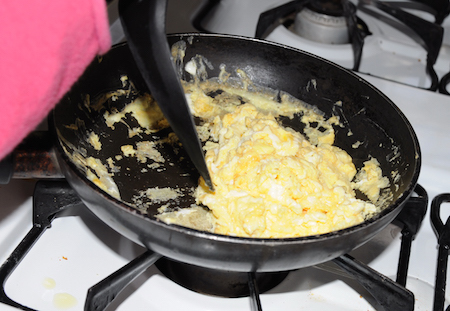
Cook Scrambled Eggs
This is one of the easiest egg recipes for beginner cooks and a great way to practice cracking eggs and stirring on the stovetop.
- Category: Breakfast
- Prep: 5 minutes
- Cook: 5 minutes
- Yield: 1 to 2 servings
- Skill Level: Beginner


Prep: 5 minutes | Cook: 5 minutes | Total: 10 minutes
Ingredients
- 1 to 2 eggs
- 1 teaspoon water
- Pinch of salt and pepper
- Chopped ham, as much as desired, optional
- Shredded cheese, as much as desired, optional
- Shredded zucchini or chopped vegetables, optional
Instructions
- Crack the eggs into a bowl.
- Stir in the water, salt, and pepper.
- Add any extras you want, such as ham, cheese, or vegetables.
- Blend everything together.
- Heat a skillet on the stove.
- Add the eggs to the hot pan and stir with a spatula until completely cooked.
- Crack eggs into a bowl first so it is easier to find shell pieces.
- Stir gently for softer scrambled eggs.
- Try adding cheese or vegetables once you are comfortable with the basic version.
Toad in a Hole
Toad in a Hole is a fun egg-in-bread recipe that helps kids practice cracking eggs and watching how the egg cooks in the center of the bread.
- Category: Breakfast
- Skill Level: Beginner
- Prep: 5 minutes
- Cook: 8 minutes
- Yield: 1 serving

Prep: 5 minutes | Cook: 8 minutes | Total: 13 minutes
Ingredients
- 1 slice bread
- Butter
- 1 egg
- Salt and pepper, to taste
Instructions
- Cut out the center of the bread slice with a round biscuit cutter or small glass.
- Butter the bread generously on both sides.
- Brown one side of the bread in a moderately hot buttered frying pan.
- Turn the bread over.
- Break the egg into the hole in the center.
- Cook slowly until the egg white is set. Cover the pan if needed.
- Sprinkle lightly with salt and pepper and serve.
- This recipe is a fun way to practice cracking one egg neatly.
- Save the bread circle and toast it in the pan too.
- Watch how the egg white changes from clear to white as it cooks.
More Egg Ideas
How to Cook Eggs
Practice different egg cooking methods including boiling, frying, and more.
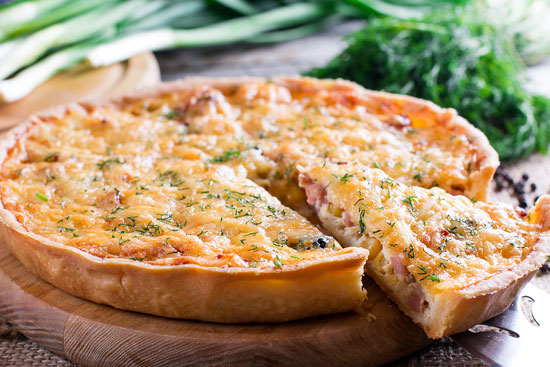
Quiche Recipes
Some of our favorite quiche recipes.

Egg Casseroles
Egg casserole recipes.
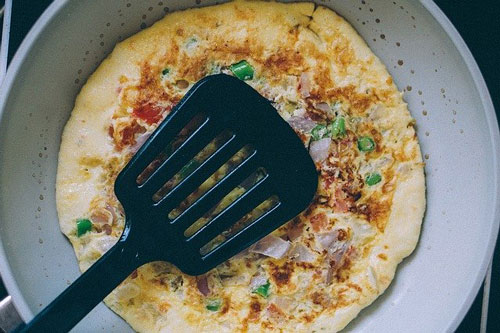
Omelet Recipes
Omelets made to order or try one of these recipes.
Egg Facts FAQ
Where do eggs come from?
Eggs come from poultry such as chickens, ducks, and quail. Chicken eggs are the kind most often used in cooking.
What do eggs do in recipes?
Eggs can bind ingredients together, add moisture, help with structure, and give foods a shiny glaze.
What is the best way for kids to practice cracking eggs?
Kids can tap eggs on a flat surface, open them into a small bowl, and check carefully for shell pieces.
How should eggs be stored?
Store eggs in the refrigerator in their carton until ready to use.
Why is this page helpful with the cracking and separating eggs lesson?
This page introduces egg facts, safe handling, egg uses, and easy practice recipes that support the skills taught in Chef in Training Lesson 2.
Keep Learning About Eggs

Share your food facts and recipes
Do you have a food facts or recipe to share?
Explore More Food Facts
Fruit Facts:
Apple
Apricot
Avocado
Banana
Berry
Cherry
Coconut
Cranberry
Dates
Figs
Grapefruit
Grapes
Kiwi
Lemon & Lime
Mango
Melon
Orange
Papaya
Peach
Pear
Pineapple
Plum
Tomato
Vegetable Facts:
Artichoke
Asparagus
Beet
Broccoli
Brussels Sprouts
Cabbage
Carrot
Cauliflower
Celery
Corn
Cucumber
Eggplant
Garlic
Green Beans
Kale
Lettuce & Salad Greens
Mushrooms
Okra
Onion
Parsnip
Peas
Peppers
Potato
Radish
Rhubarb
Spinach
Summer Squash & Zucchini
Sweet Potato
Turnip
Winter Squash & Pumpkin
Get Free Kids Recipe Cards + Cooking Printables
Join Kids Cooking Activities for fun recipes, cooking ideas, and printable resources for kids, families, and classrooms.
Follow Kids Cooking Activities too:





© Debbie Madson, Madson Web Publishing, LLC — All rights reserved.
The material on this site is for educational purposes only.