

- Home ›
- Food Facts ›
- Melon
Melon Facts
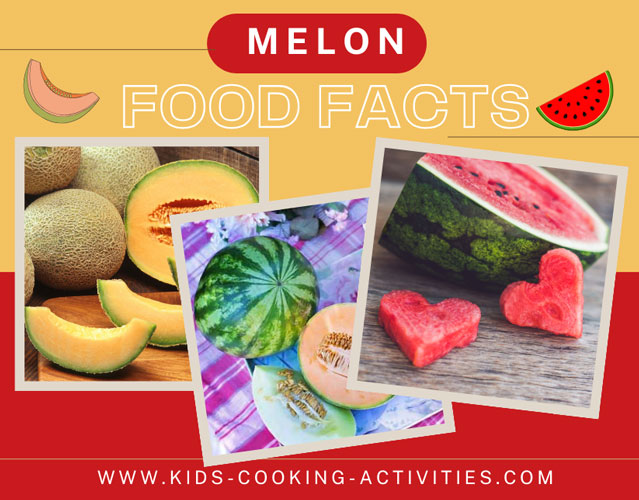
Learn fun melon facts and general information about melons. This page includes watermelon, cantaloupe, and honeydew melon facts, plus how melons grow, how to choose and store them, nutrition facts, and easy watermelon recipe ideas for kids.
Kids Cooking Activities Teaching Materials
Teaching kids to cook? Save time with ready-made lesson plans used by parents and teachers. Browse teaching materials →


This page may contain affiliate links. We may earn a small commission at no extra cost to you. Learn more.
On This Page
Fun Melon Facts
- Melons are available fresh in the summertime.
- Melons grow from seeds on long vines.
- Common melons include watermelon, cantaloupe, and honeydew.
- Melons are usually eaten raw and are popular in fruit salads and snacks.
- Watermelon is extra juicy and contains lycopene.
How Melons Grow, Buying Tips, and Storage
When Melons Are Available
Melons are most commonly available fresh in the summertime.
How Do Melons Grow?
Melons grow from seeds planted in the garden. They grow on vines that spread out and can become quite long.
What to Look for When Buying Melons
Choose a melon that feels heavy for its size. For watermelon, a heavier melon often means it is juicier. Look for a yellow spot on the underside of a watermelon. Cantaloupe and honeydew should smell sweet when ripe.
Melon Storage Tips
Store cut melons in the refrigerator. If the melon is still whole, keep it in a cool, dark place until you are ready to use it.
How to Cook with Melons
How to Use Melons
- Wash the outside of the melon before cutting.
- Cut the melon into slices, cubes, or scoop out balls with a melon baller.
- Use melon in fruit salads, smoothies, punches, or simple snack ideas.
Melon Types and Texture
Watermelon is very juicy and crisp.
Cantaloupe is soft, sweet, and orange inside.
Honeydew is pale green inside and has a smooth, sweet flavor.
Each melon tastes a little different, but all are refreshing fruits for warm weather.
Food Science: Why Watermelon Is So Juicy
Why Does Watermelon Have So Much Juice?
Watermelon contains a lot of water inside its cells, which is why it feels so refreshing when you eat it.
Fruits with high water content can help cool you down and make good summer snacks.
Mini Activity
Compare Three Melons
- Look at watermelon, cantaloupe, and honeydew.
- Talk about the color inside each one.
- Describe how each melon smells and feels.
- Decide which one is the juiciest, sweetest, or best for fruit salad.
Melon Nutrition Facts
A 1/2 cup of cubed melon counts as one serving. Melons provide vitamin A, vitamin C, potassium, vitamin B6, and watermelon also contains lycopene.
- Melons provide vitamin A.
- They provide vitamin C.
- They contain potassium.
- They also contain vitamin B6.
- Watermelon contains lycopene.
More Food Fact Resources
Melon Recipes
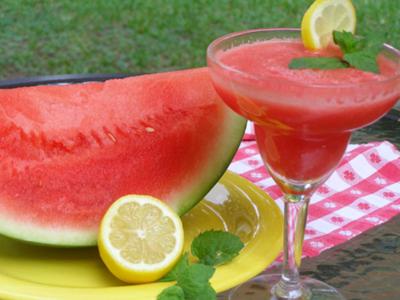
Tehmena's Silly Watermelon Punch
This easy watermelon punch blends watermelon, apple, ice, and sugar, then gets topped with a splash of soda for a fun drink.
By Tehmena
- Category: Drink
- Prep: 10 minutes
- Cook: No cooking
- Yield: 2 to 4 servings


Ingredients
- 8 ice cubes
- 1 apple, cut into pieces
- 2 tablespoons white sugar
- 1 to 2 cups watermelon, cut into pieces
- 2 tablespoons lemon-lime soft drink, such as 7 Up
Directions
- Place the ice, chopped apple, watermelon, and sugar in a blender.
- Blend until mixed but not completely smooth.
- Pour into cups halfway, then top with the soft drink and serve.
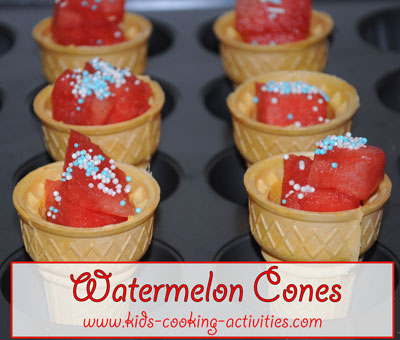
Watermelon Cones
A healthy and playful watermelon treat made with cones, frosting, berries, and scoops of watermelon.
- Category: Snack
- Prep: 15 minutes
- Cook: No cooking
- Yield: Varies
Ingredients
- Ice cream cake cones
- Cream cheese frosting
- Blueberries or chopped strawberries
- Seedless watermelon
- Sprinkles
Directions
- Fill the bottom of each cone with a tablespoon of cream cheese frosting.
- Add a spoonful of blueberries or chopped strawberries over the frosting.
- Place a scoop of seedless watermelon on top and add sprinkles before serving.
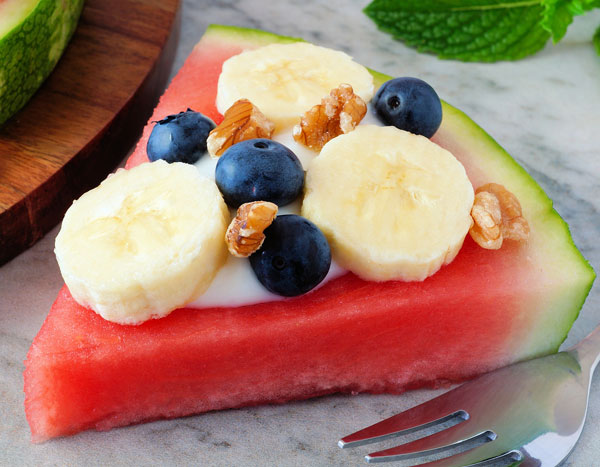
Watermelon Slice Snack
Up your watermelon snack with this easy idea.
- Category: Snack
- Prep: 10 minutes
- Cook: No cooking
Ingredients
- Watermelon slice
- Yogurt
- Sliced bananas
- Berries
- Nuts or granola, optional
Directions
- Add a spoonful of yogurt to a watermelon slice.
- Top with sliced bananas, berries, and optional nuts or granola.
- Serve right away.
More Watermelon Ideas
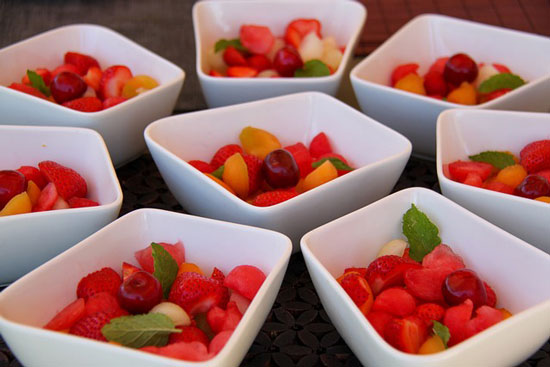
Fruit Salad Recipes
Use watermelon in fruit salads for a juicy and colorful mix.
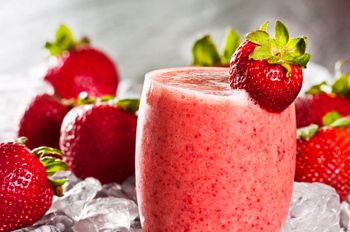
Smoothie Recipes
Add watermelon to smoothies for a fresh summer drink.

Watermelon Bites
Try another fun watermelon snack idea kids will enjoy.
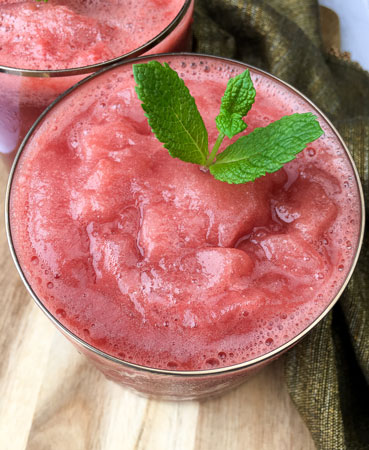
Frozen Watermelon Slush
Turn watermelon into a cool summer slush drink.
Kids Cooking Video Fun: Watermelon Jack o Lantern
Melon Facts FAQ
When are melons in season?
Melons are most commonly available fresh in the summertime.
How do melons grow?
Melons grow from seeds on long vines that spread across the ground.
How do you pick a good melon?
Choose a melon that feels heavy. Watermelons often have a yellow spot underneath when ripe, and cantaloupe or honeydew should smell sweet.
How should melons be stored?
Store cut melons in the refrigerator. Whole melons can be kept in a cool, dark place until ready to use.
What nutrients are in melons?
Melons provide vitamins A and C, potassium, vitamin B6, and watermelon also contains lycopene.
Keep Learning About Melons


Share your food facts and recipes
Do you have a food facts or recipe to share?
Reader's Submitted Recipes
Click below to see contributions from other visitors to this page...
Watermelon Bites Not rated yet
Watermelon Feta Bites These Watermelon Feta Bites are a refreshing summer appetizer made with juicy watermelon, creamy whipped feta, crunchy pistachios, …
Frozen Watermelon Slush Not rated yet
Watermelon Slushie This refreshing Watermelon Slushie is the perfect summer drink for kids. Made with frozen watermelon, fresh lime juice, and a …
Explore More Food Facts
Fruit Facts:
Apple
Apricot
Avocado
Banana
Berry
Cherry
Coconut
Cranberry
Dates
Figs
Grapefruit
Grapes
Kiwi
Lemon & Lime
Mango
Melon
Orange
Papaya
Peach
Pear
Pineapple
Plum
Tomato
Vegetable Facts:
Artichoke
Asparagus
Beet
Broccoli
Brussels Sprouts
Cabbage
Carrot
Cauliflower
Celery
Corn
Cucumber
Eggplant
Garlic
Green Beans
Kale
Lettuce & Salad Greens
Mushrooms
Okra
Onion
Parsnip
Peas
Peppers
Potato
Radish
Rhubarb
Spinach
Summer Squash & Zucchini
Sweet Potato
Turnip
Winter Squash & Pumpkin
Get Free Kids Recipe Cards + Cooking Printables
Join Kids Cooking Activities for fun recipes, cooking ideas, and printable resources for kids, families, and classrooms.
Follow Kids Cooking Activities too:





© Debbie Madson, Madson Web Publishing, LLC — All rights reserved.
The material on this site is for educational purposes only.