

- Home ›
- Food Facts ›
- Nut
Nut Facts
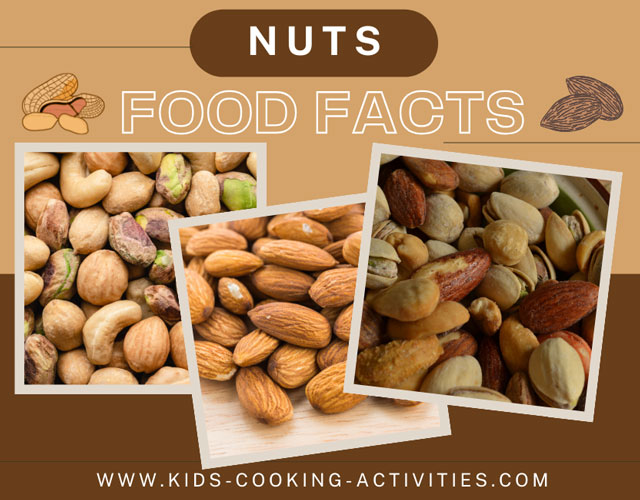
Learn fun nut facts and general information about nuts. This page includes how different nuts grow, what to look for when buying them, storage tips, simple ways to use nuts in cooking, and easy nut recipe ideas.
Kids Cooking Activities Teaching Materials
Teaching kids to cook? Save time with ready-made lesson plans used by parents and teachers. Browse teaching materials →


This page may contain affiliate links. We may earn a small commission at no extra cost to you. Learn more.
On This Page
Fun Nut Facts
- Nuts are now available year round, even though autumn is their traditional peak season.
- Peanuts grow underground.
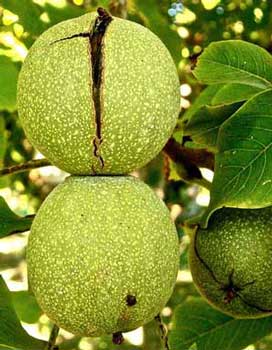
- Walnuts, pecans, chestnuts, almonds, and many other nuts grow on trees.
- Nuts can be eaten as snacks or used in breads, cakes, toppings, casseroles, and nut butters.
- Nuts are high in protein and fiber.
How Nuts Grow, Buying Tips, and Storage
When Nuts Are Available
Traditionally nuts were mostly connected with autumn, but today they are available year round.
How Do Nuts Grow?
Peanuts grow on a plant that flowers above ground, but the peanuts themselves grow underground. Walnuts, pecans, chestnuts, almonds, and many other nuts grow on trees.
What to Look for When Buying Nuts
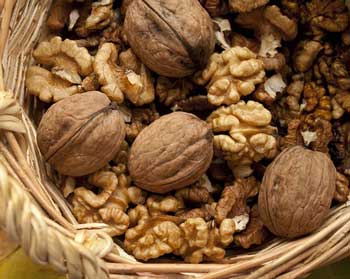
Packaged nuts are easy to find throughout the year. If you buy nuts in their shells, look for shells with no cracks or holes. They should not make a rattling sound when shaken.
Nut Storage Tips
Store nuts in a cool, dry place. For longer storage, keep them in the freezer.
How to Cook with Nuts
How to Use Nuts
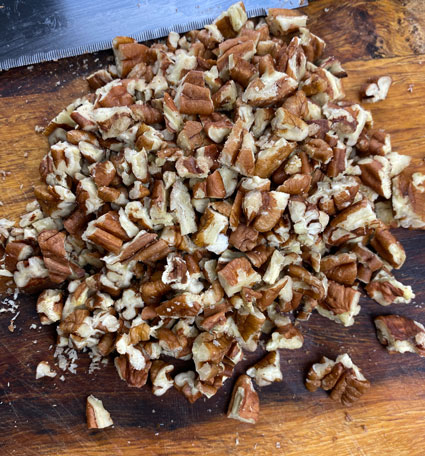
- Chop nuts to use in breads, cakes, and toppings.
- Blend nuts to make nut butters.
- Use nuts in snacks, casseroles, baked goods, and crunchy toppings.
Peanuts vs. Tree Nuts
Peanuts grow underground.
Tree nuts like walnuts, pecans, almonds, and chestnuts grow on trees.
Both can be used in cooking, but they grow in different ways.
Food Science: Nuts and Oils
Why Do Nuts Turn Creamy When Blended?
Nuts contain natural oils. When nuts are blended for long enough, those oils are released and the mixture becomes smooth and creamy.
That is how nuts can turn into spreads like almond butter or peanut butter.
Mini Activity
Compare Different Nuts
- Look at several kinds of nuts or pictures of them.
- Describe the size, shape, and shell of each one.
- Talk about which ones grow underground and which ones grow on trees.
- Predict which nuts might be best for baking, snacks, or nut butter.
Nut Nutrition Facts
Nuts are high in protein and fiber, which helps make them a filling ingredient and snack.
- Nuts are high in protein.
- Nuts are high in fiber.
- Nuts can be a hearty snack or recipe ingredient.
More Food Fact Resources
Nut Recipes
Homemade Almond Butter
Make your own almond butter for breakfast or snacks with roasted almonds, oil, cinnamon, and vanilla.
- Category: Spread
- Prep: 10 minutes
- Cook: No cooking
- Yield: Varies



Ingredients
- 2 cups roasted almonds
- 1 tablespoon canola or almond oil
- 1 tablespoon ground cinnamon
- 1/2 tablespoon vanilla extract
Directions
- Put almonds in a blender and blend until finely ground.
- Add the remaining ingredients.
- Continue blending until smooth and creamy.
- Store in a container or jar.
Sugared Nuts
Toasted nuts coated with sugar and warm spices make a sweet crunchy snack.
- Category: Snack
- Prep: 10 minutes
- Cook: 30 minutes
- Yield: 4 cups

Ingredients
- 1 tablespoon slightly beaten large egg white
- 4 cups pecan halves, whole almonds, or walnut halves
- 1/4 cup sugar
- 2 teaspoons ground cinnamon
- 1/4 teaspoon ground nutmeg
- 1/4 teaspoon ground cloves
Directions
- Beat egg white in a small bowl.
- Toss the nuts with the egg white to coat.
- Add sugar, cinnamon, nutmeg, and cloves and toss again.
- Arrange nuts flat on a cookie sheet.
- Toast at 300 degrees for 30 minutes.
Homemade Peanut Butter
Homemade peanut butter is easy to make with just peanuts and a little oil.
- Category: Spread
- Prep: 5 minutes
- Cook: No cooking
- Yield: Varies
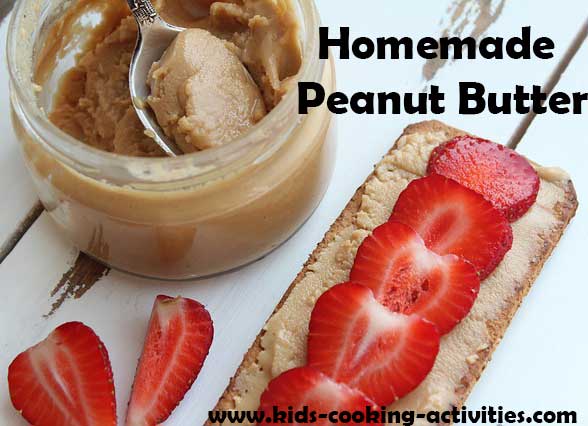
Ingredients
- 1 1/2 cups salted dry roasted peanuts
- 1 tablespoon peanut oil
Directions
- Add peanuts and oil to a food processor or blender.
- Blend about 5 minutes until smooth.
- Place in a bowl or plastic container and cover.
- Chill in the refrigerator and keep for about 2 weeks.
More Nut Ideas

Nutty Chicken Fingers
Use nuts to add crunch to a savory dinner recipe.
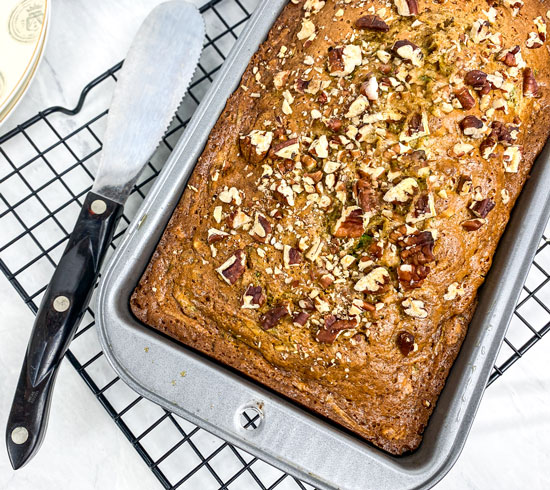
Zucchini Bread
Add chopped nuts to quick breads for extra flavor and crunch.
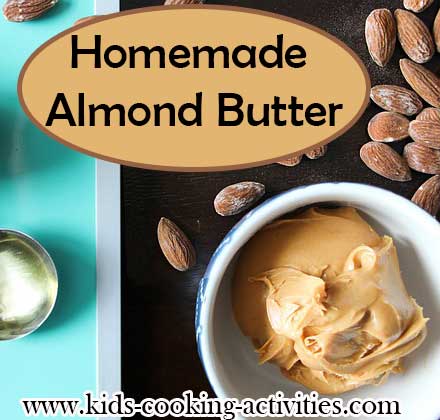
Homemade Almond Butter
Blend nuts into a creamy spread for breakfast or snacks.
Homemade Peanut Butter
Try another easy nut butter recipe made with just two ingredients.
Nut Cooking Video: Spiced Nut Recipes
Nut Facts FAQ
When are nuts available?
Nuts are now available year round, even though autumn is their traditional peak season.
How do nuts grow?
Peanuts grow underground, while walnuts, pecans, chestnuts, almonds, and many other nuts grow on trees.
What should you look for when buying nuts?
If buying nuts in shells, choose ones with no cracks or holes and no rattling sound when shaken.
How should nuts be stored?
Store nuts in a cool, dry place or in the freezer for longer storage.
What nutrients are in nuts?
Nuts are high in protein and fiber.
Keep Learning About Nuts


Share your food facts and recipes
Do you have a food facts or recipe to share?
Explore More Food Facts
Fruit Facts:
Apple
Apricot
Avocado
Banana
Berry
Cherry
Coconut
Cranberry
Dates
Figs
Grapefruit
Grapes
Kiwi
Lemon & Lime
Mango
Melon
Orange
Papaya
Peach
Pear
Pineapple
Plum
Tomato
Vegetable Facts:
Artichoke
Asparagus
Beet
Broccoli
Brussels Sprouts
Cabbage
Carrot
Cauliflower
Celery
Corn
Cucumber
Eggplant
Garlic
Green Beans
Kale
Lettuce & Salad Greens
Mushrooms
Okra
Onion
Parsnip
Peas
Peppers
Potato
Radish
Rhubarb
Spinach
Summer Squash & Zucchini
Sweet Potato
Turnip
Winter Squash & Pumpkin
Get Free Kids Recipe Cards + Cooking Printables
Join Kids Cooking Activities for fun recipes, cooking ideas, and printable resources for kids, families, and classrooms.
Follow Kids Cooking Activities too:





© Debbie Madson, Madson Web Publishing, LLC — All rights reserved.
The material on this site is for educational purposes only.