
- Home ›
- Food Facts ›
- Grain
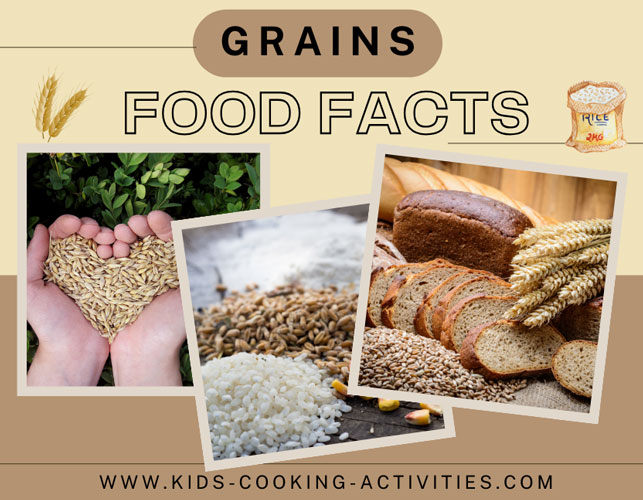
Grain Facts
Learn what grains are, where they come from, why we need them, and how to cook and store them. This page includes common grain examples, simple cooking tips, a favorite rice recipe, and more ways to explore grains in the kitchen.
On This Page
Kids Cooking Activities Teaching Materials
Teaching kids to cook? Save time with ready-made lesson plans used by parents and teachers. Browse teaching materials →


This page may contain affiliate links. We may earn a small commission at no extra cost to you. Learn more.
Where Do Grains Come From?
Grains are the fruits of grasses and plants. Whole kernels are sometimes called berries.
- Grains come from grasses and grain plants.
- Some grains are eaten as whole kernels.
- Some grains are ground into flour or meal.
- Many foods we eat every day are made from grains.
Why We Need Grains
Grains are a source of carbohydrates, protein, and other minerals. They help provide energy and are used in many everyday foods.
Grains Include
- Rice, both brown and white
- Barley
- Oats
- Rye
- Cornmeal or polenta
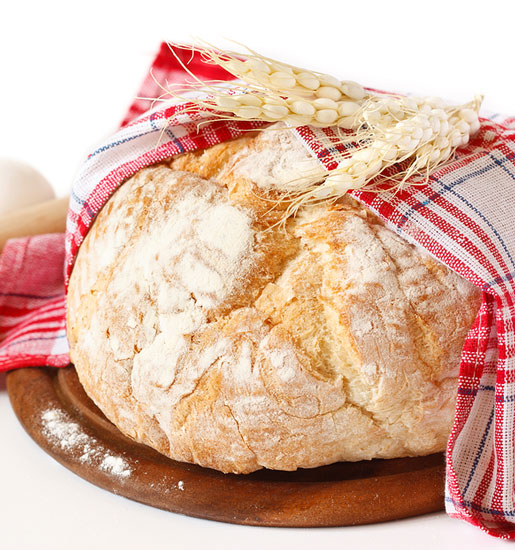
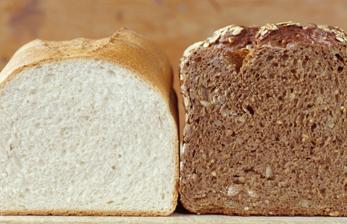
- Wheat, which is used in bread, pasta, flour, and many cereals
Grain Storage Tips
Store grains in airtight containers. Many grains like white rice, white flour, and oats last a long time stored this way. Brown rice and whole wheat flour can go rancid more quickly, so store them in the freezer or use them within a few months if kept in the cupboard.
Grain Cooking Tips
How to Cook Grains
- Always cook grains in a larger pot because they fluff up and take more room when cooked.
- Toast grains in a small amount of oil or butter if you want to add more flavor.
- Add water or broth and cook until the grains are tender.
Food Science Tie-In
Grains change as they cook because they absorb liquid and soften. This is why dry rice or oats become larger and softer after cooking.
Mini Activity
Compare Dry and Cooked Grains
- Look at a spoonful of dry rice or oats.
- Cook the grain according to package directions or a recipe.
- Compare the size, texture, and smell before and after cooking.
- Talk about how the grains changed when they absorbed liquid.
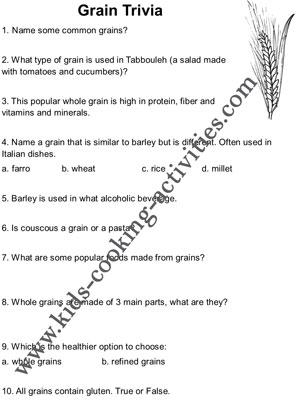
Grain Recipes
To enhance flavor, you can toast grains in a small amount of oil, like in the recipe below.
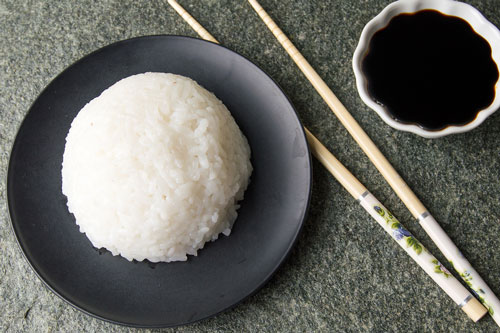
Our Favorite Rice
This simple rice recipe is toasted in butter and oil, then simmered until tender for extra flavor.
- Category: Side Dish
- Prep: 10 minutes
- Cook: 20 minutes
- Yield: 6 servings


Prep: 10 minutes | Cook: 20 minutes | Total: 30 minutes
Ingredients
- 3 cups rice
- 1 tablespoon butter
- 2 tablespoons oil
- 3 cups water or chicken broth
- 1 cup chopped onions, optional
- 1 cup chopped celery, optional
Instructions
- In a frying pan, brown 3 cups of rice in 1 tablespoon butter and 2 tablespoons oil.
- If using, sauté chopped onions and or celery with the butter and oil.
- Brown until the rice looks glassy.
- Add 3 cups of water or chicken broth.
- Cover and cook 20 minutes or until the rice is tender.
More Food Fact Resources
Cooking Grains Video: 6 Different Rice Recipes
More Grain Ideas
How to Cook Whole Grains
Learn more grain cooking basics and try new whole grain ideas.
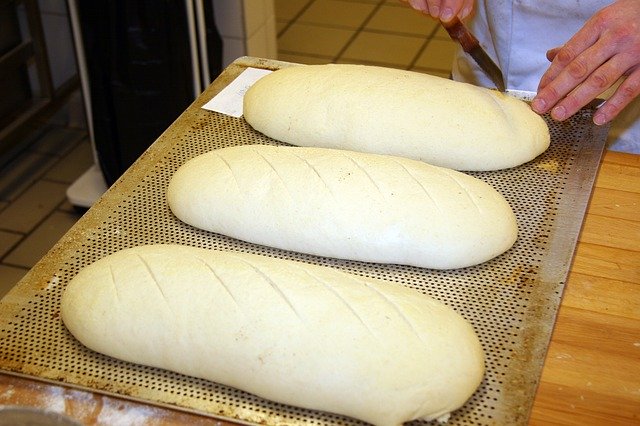
Make Homemade Bread
Use grain knowledge in a hands-on bread lesson.

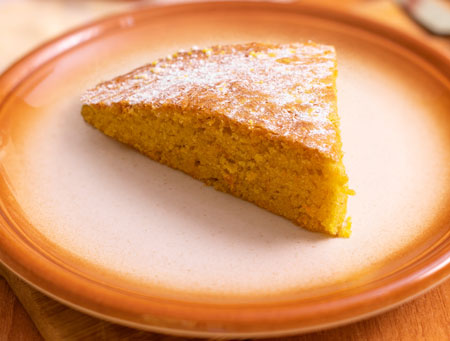
Cornbread
Try using cornmeal to make a cornbread recipe.
Grain Facts FAQ
Where do grains come from?
Grains are the fruits of grasses and plants. Whole kernels are often called berries.
Why do we need grains?
Grains are a source of carbohydrates, protein, and other minerals.
How should grains be stored?
Many grains can be stored in airtight containers. Brown rice and whole wheat flour should be used within a few months or stored in the freezer.
What grains do people eat most often?
Wheat is one of the grains people eat most often, including bread, pasta, flour, and many cereals.
Keep Learning About Grains

Share your food facts and recipes
Do you have a food facts or recipe to share?
Explore More Food Facts
Fruit Facts:
Apple
Apricot
Avocado
Banana
Berry
Cherry
Coconut
Cranberry
Dates
Figs
Grapefruit
Grapes
Kiwi
Lemon & Lime
Mango
Melon
Orange
Papaya
Peach
Pear
Pineapple
Plum
Tomato
Vegetable Facts:
Artichoke
Asparagus
Beet
Broccoli
Brussels Sprouts
Cabbage
Carrot
Cauliflower
Celery
Corn
Cucumber
Eggplant
Garlic
Green Beans
Kale
Lettuce & Salad Greens
Mushrooms
Okra
Onion
Parsnip
Peas
Peppers
Potato
Radish
Rhubarb
Spinach
Summer Squash & Zucchini
Sweet Potato
Turnip
Winter Squash & Pumpkin
Get Free Kids Recipe Cards + Cooking Printables
Join Kids Cooking Activities for fun recipes, cooking ideas, and printable resources for kids, families, and classrooms.
Follow Kids Cooking Activities too:





© Debbie Madson, Madson Web Publishing, LLC — All rights reserved.
The material on this site is for educational purposes only.